


Precise control of silver nanoplate dimensions and optical properties via pH, EDTA and AMP mediated synthesis
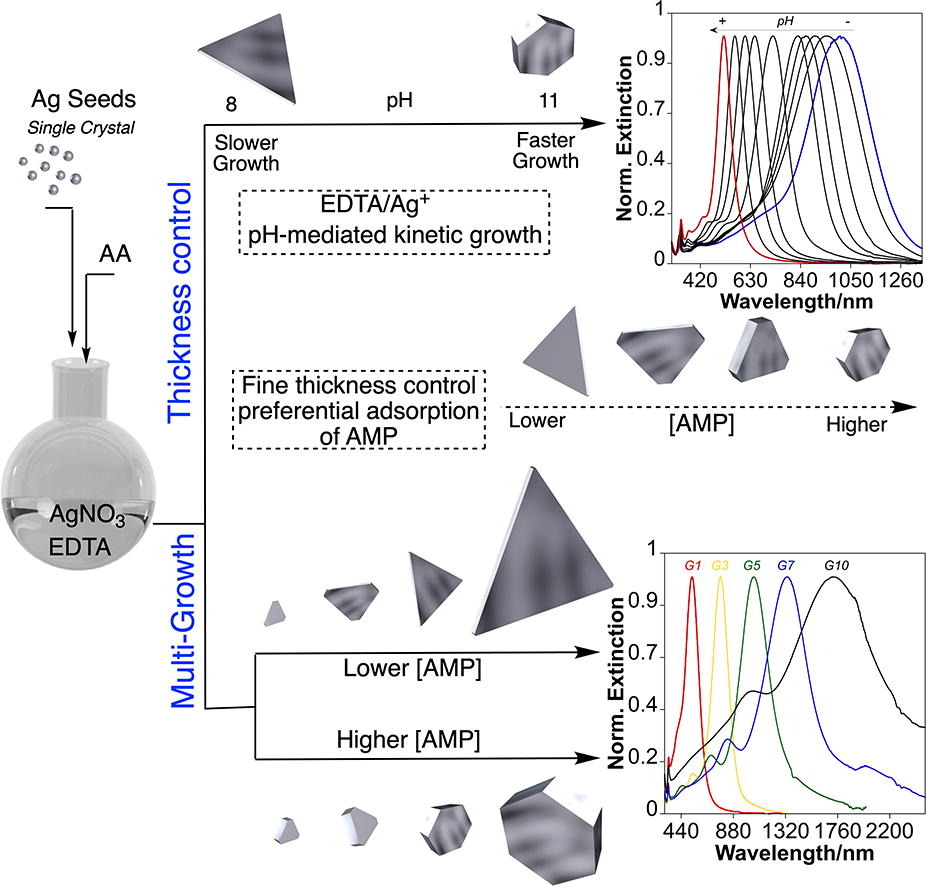
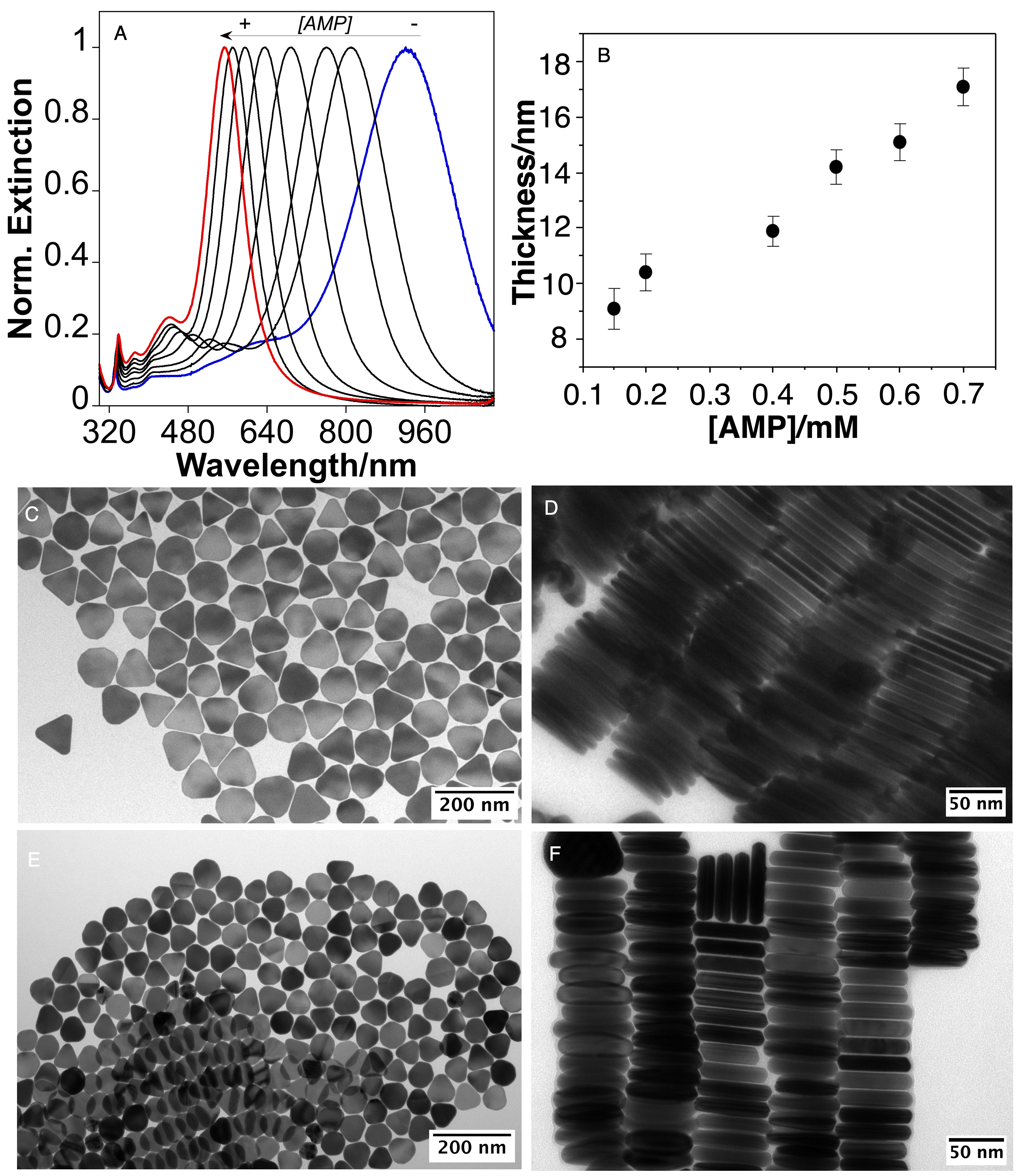
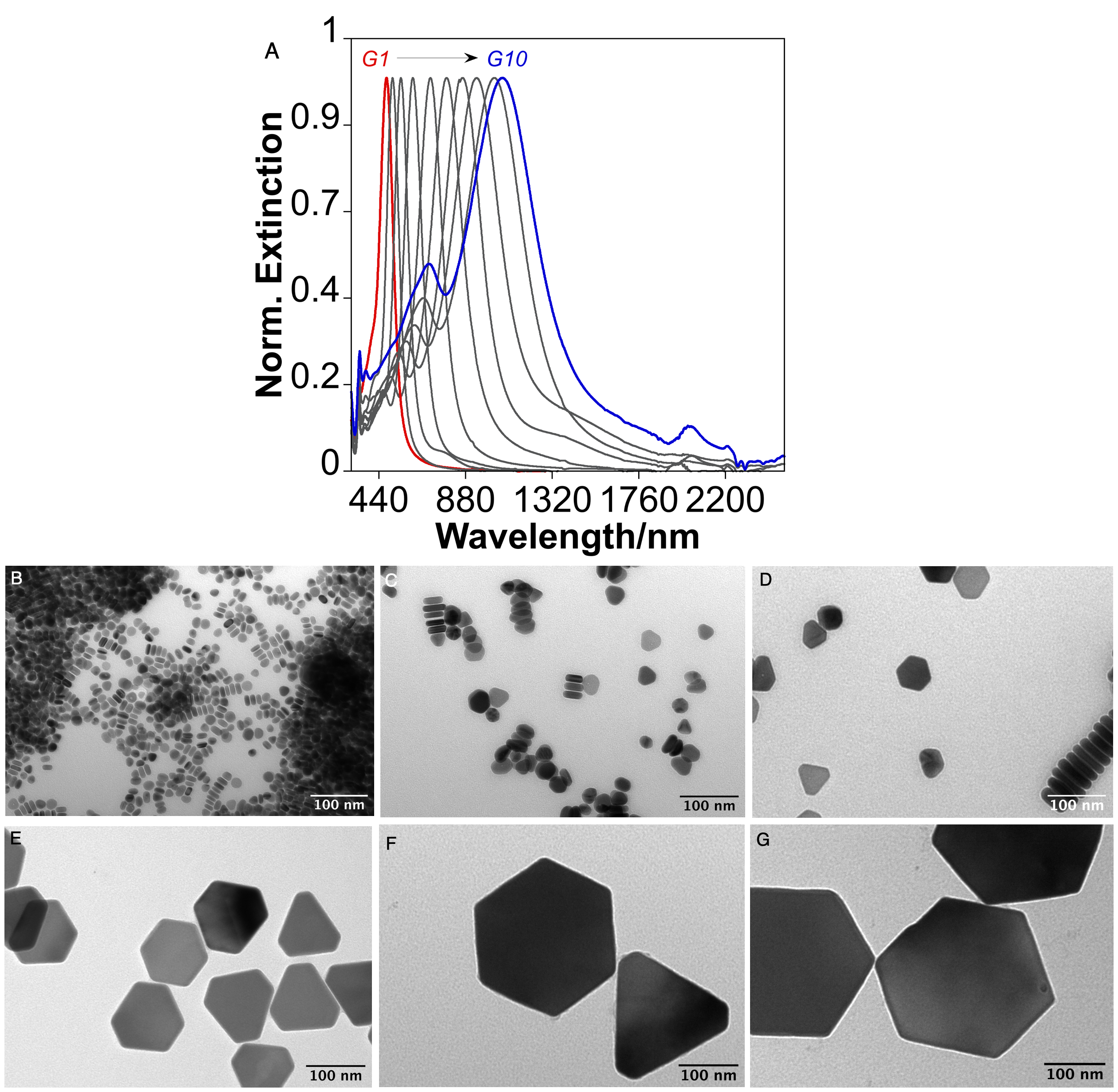
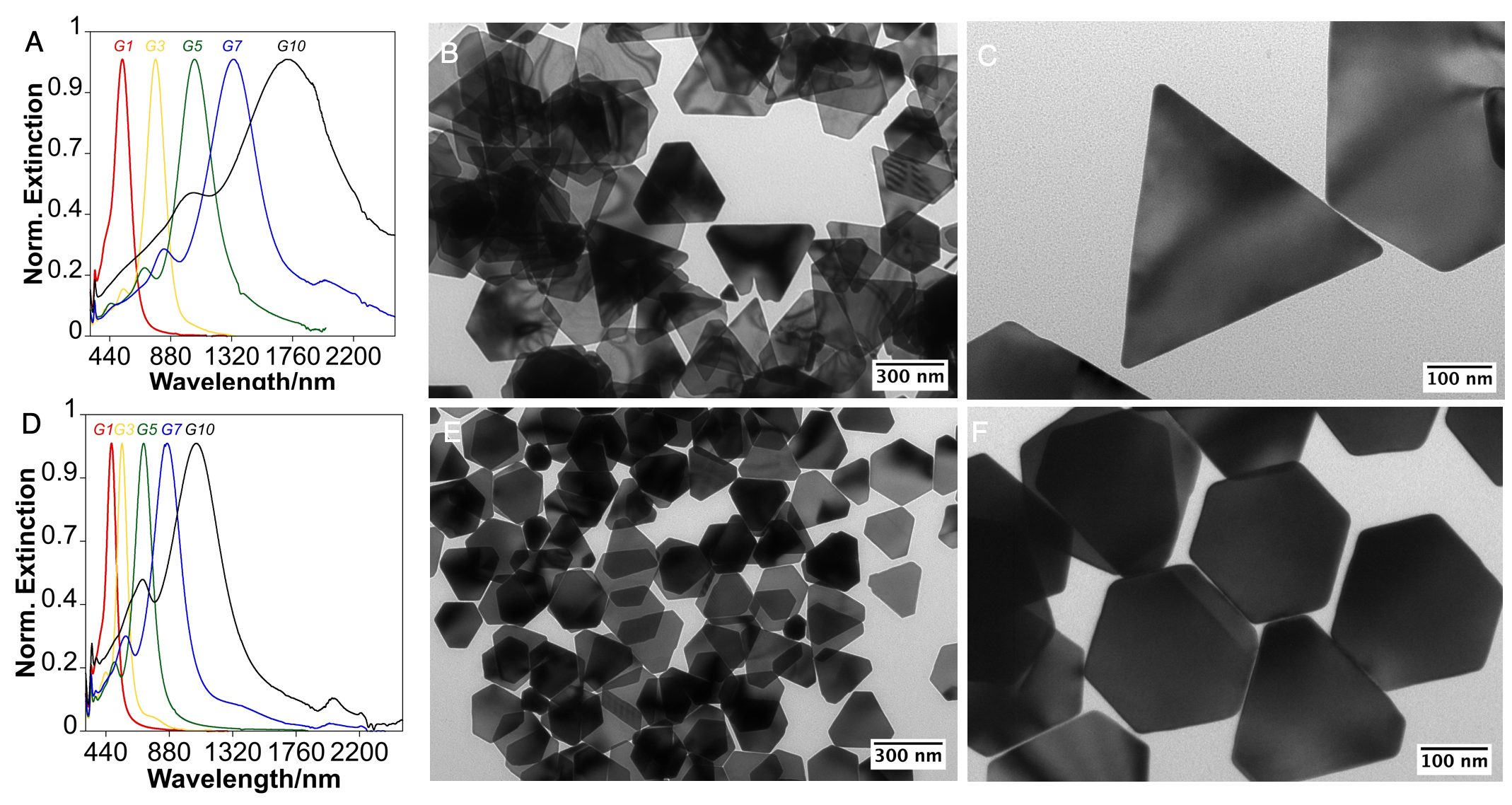
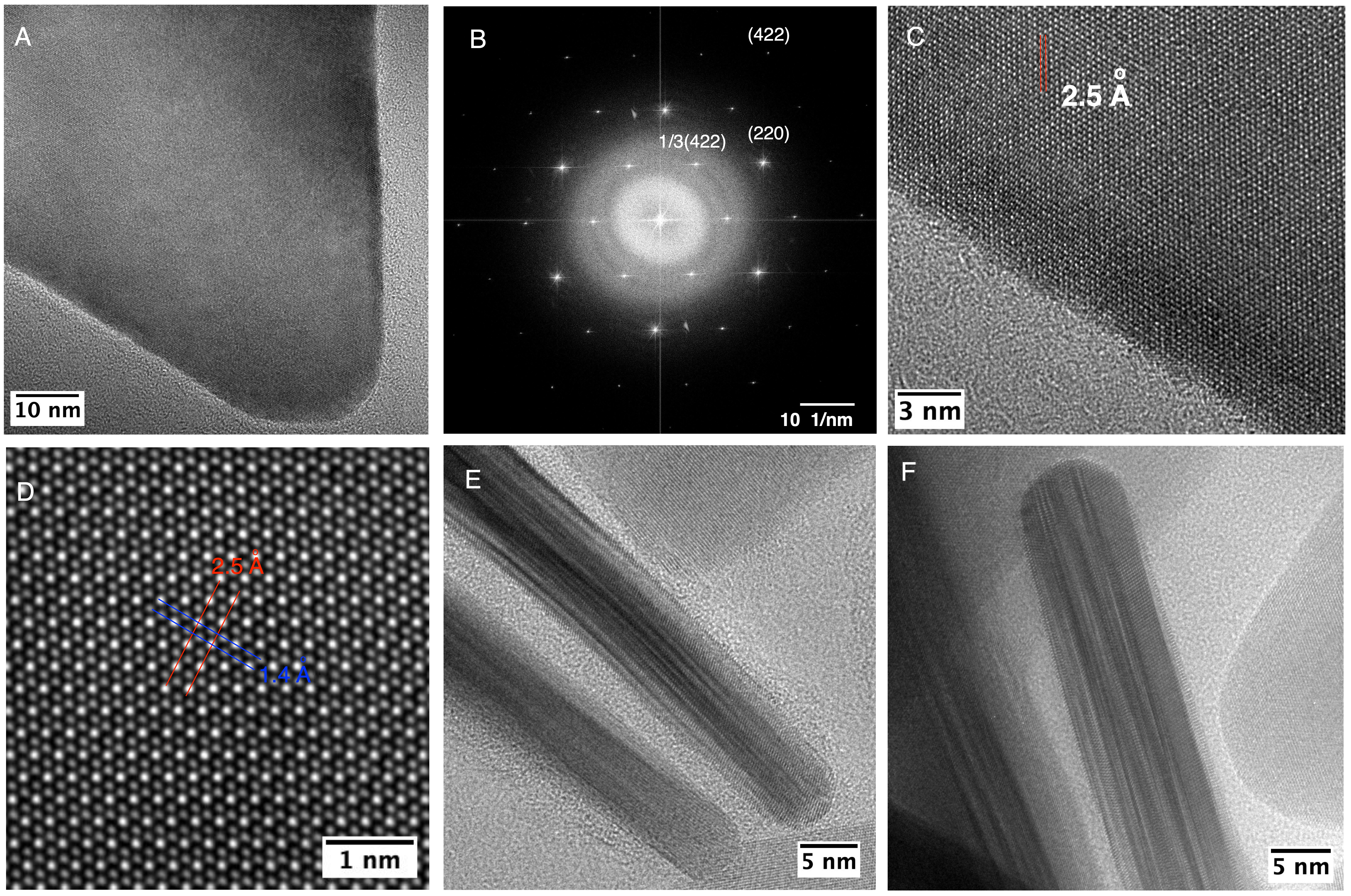
We developed a seed-mediated synthesis method to produce silver nanoplates (AgNPTs) with precisely tunable size, thickness, and optical properties. By using ethylenediaminetetraacetic acid (EDTA) with small silver seeds, this method allows for controlled silver complexation and reduction through pH adjustments (8–10.5), influencing nanoplate growth and shifting optical absorption from 519 to 1006 nm. Nanoplate overgrowth extends plasmon resonance into the near-infrared, reaching up to ~2000 nm. The addition of adenosine 5′ monophosphate (AMP) further enhances nanoplate stability and enables precise thickness control. Density functional theory (DFT) calculations support the roles of EDTA and AMP in the controlled synthesis of AgNPTs. This approach, enabling unprecedented control over morphology and optical response, opens new avenues in nanoplasmonics. Journal of Colloid and Interface Science in press
See more at: https://doi.org/10.1016/j.jcis.2024.10.179
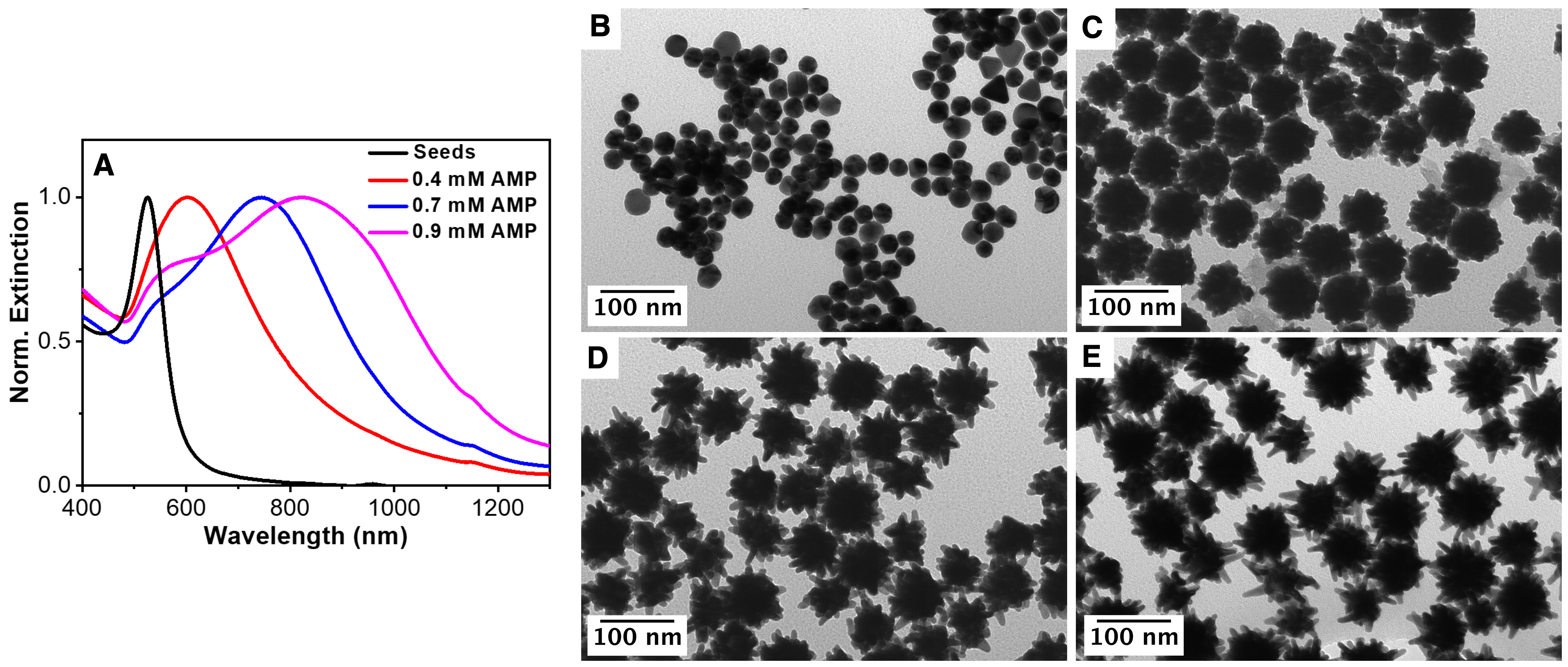
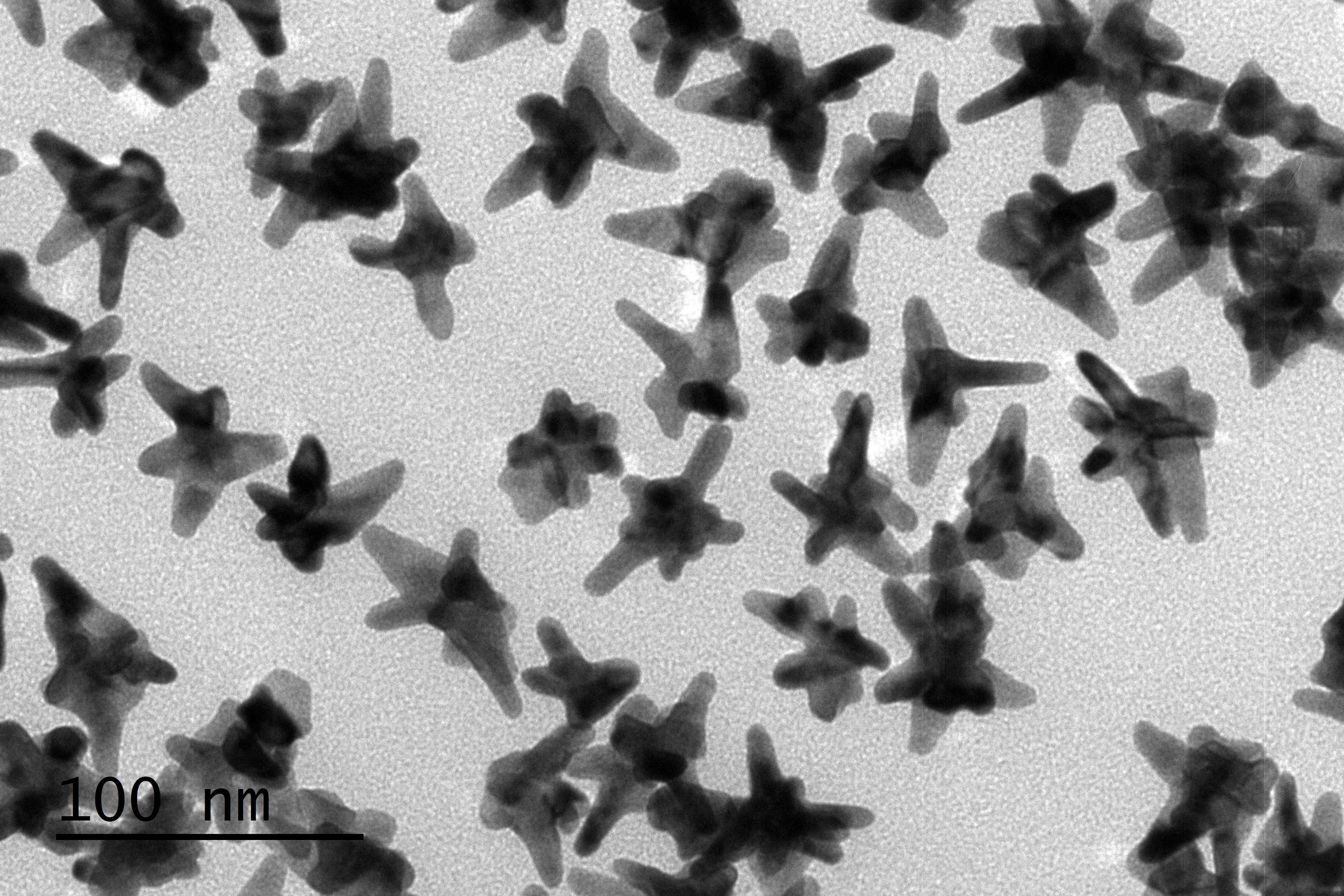


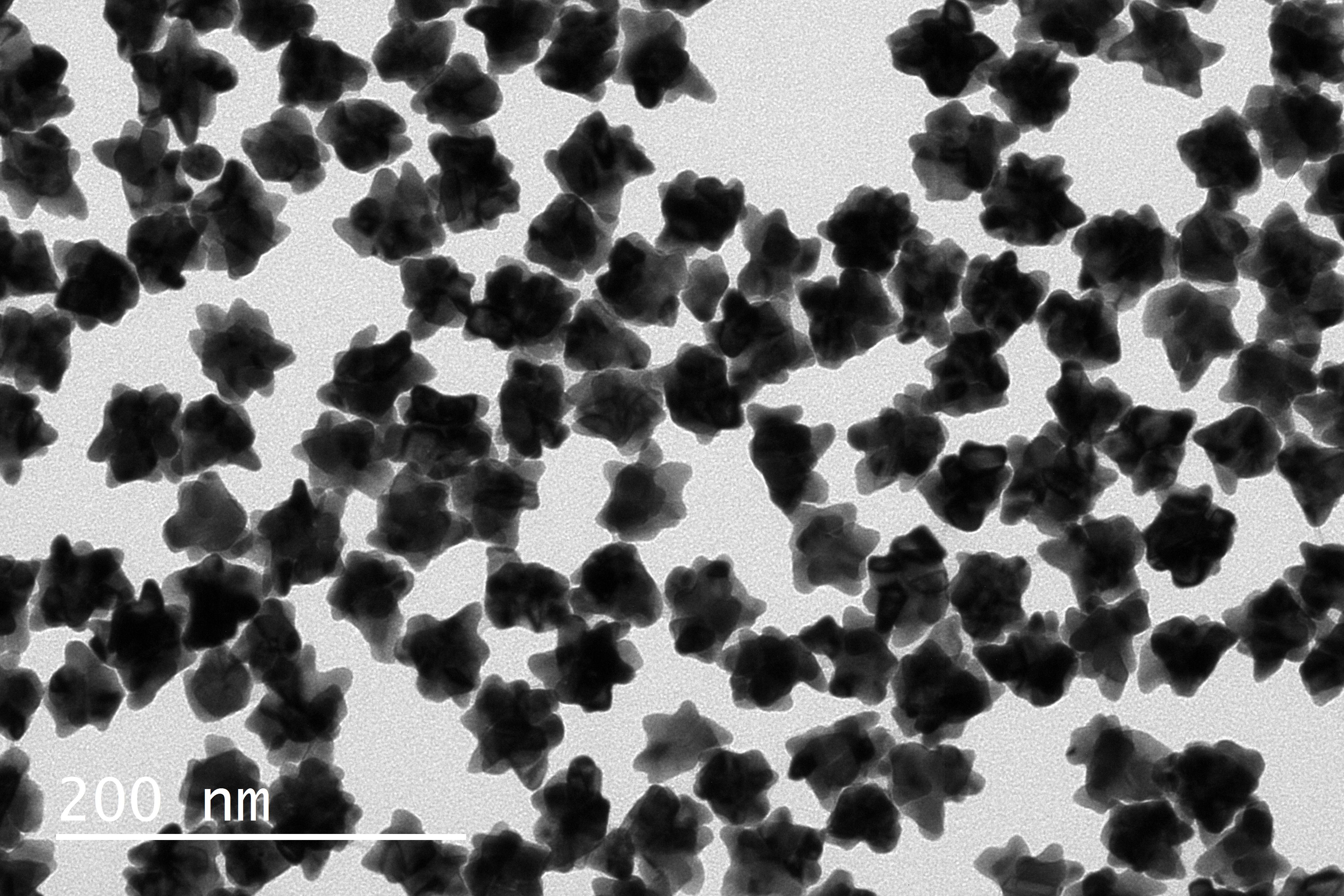
Synthesis of tuneable gold nanostars: the role of adenosine monophosphate
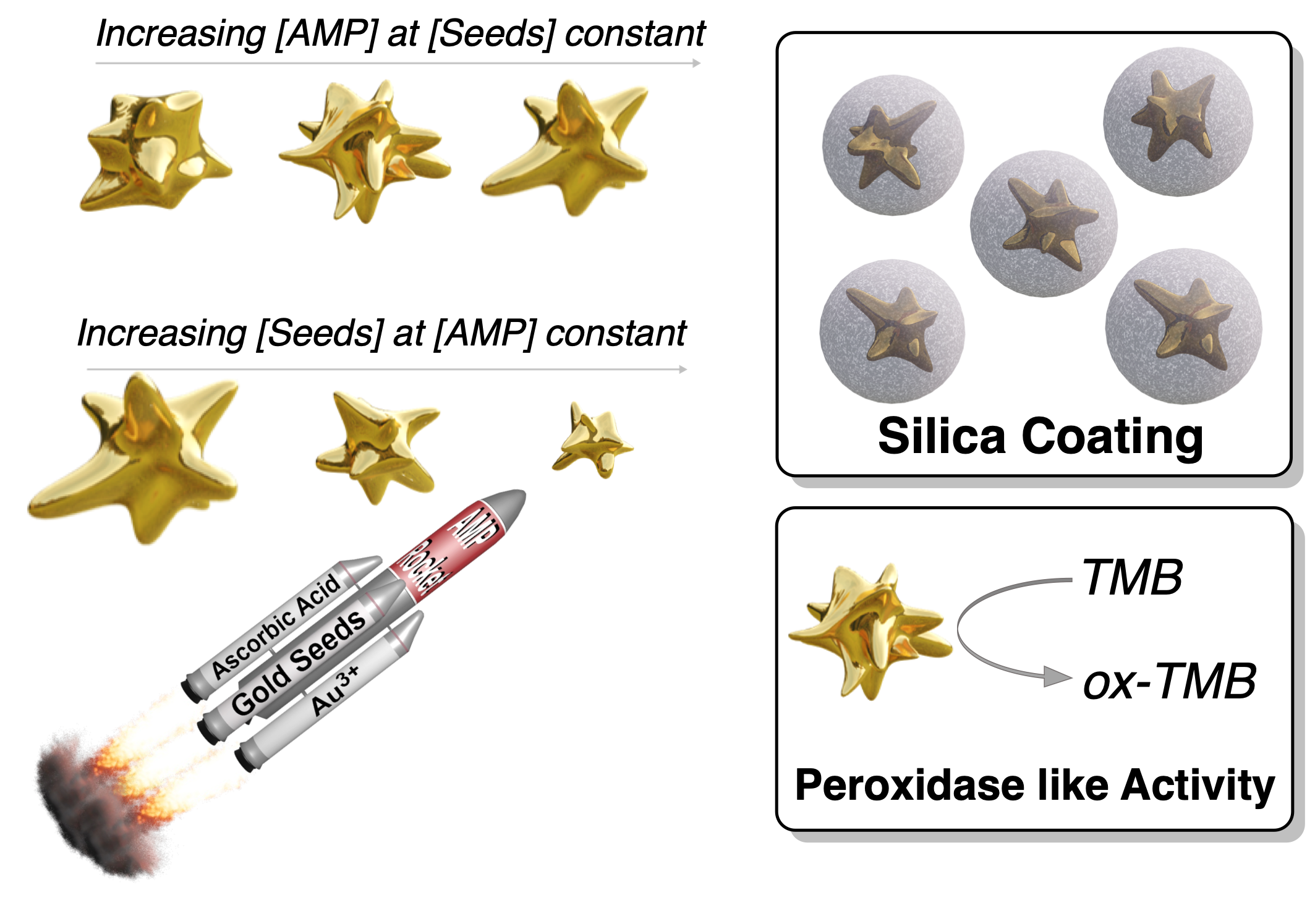
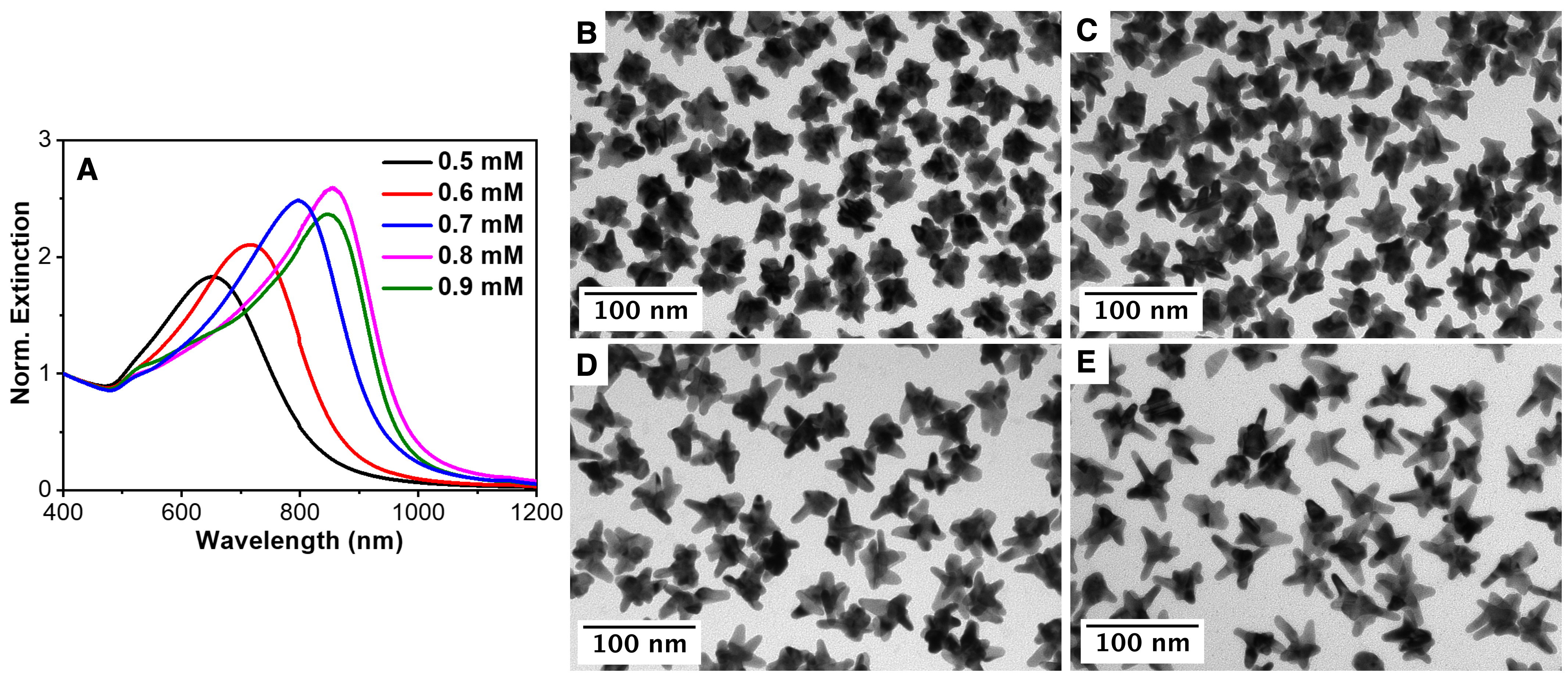
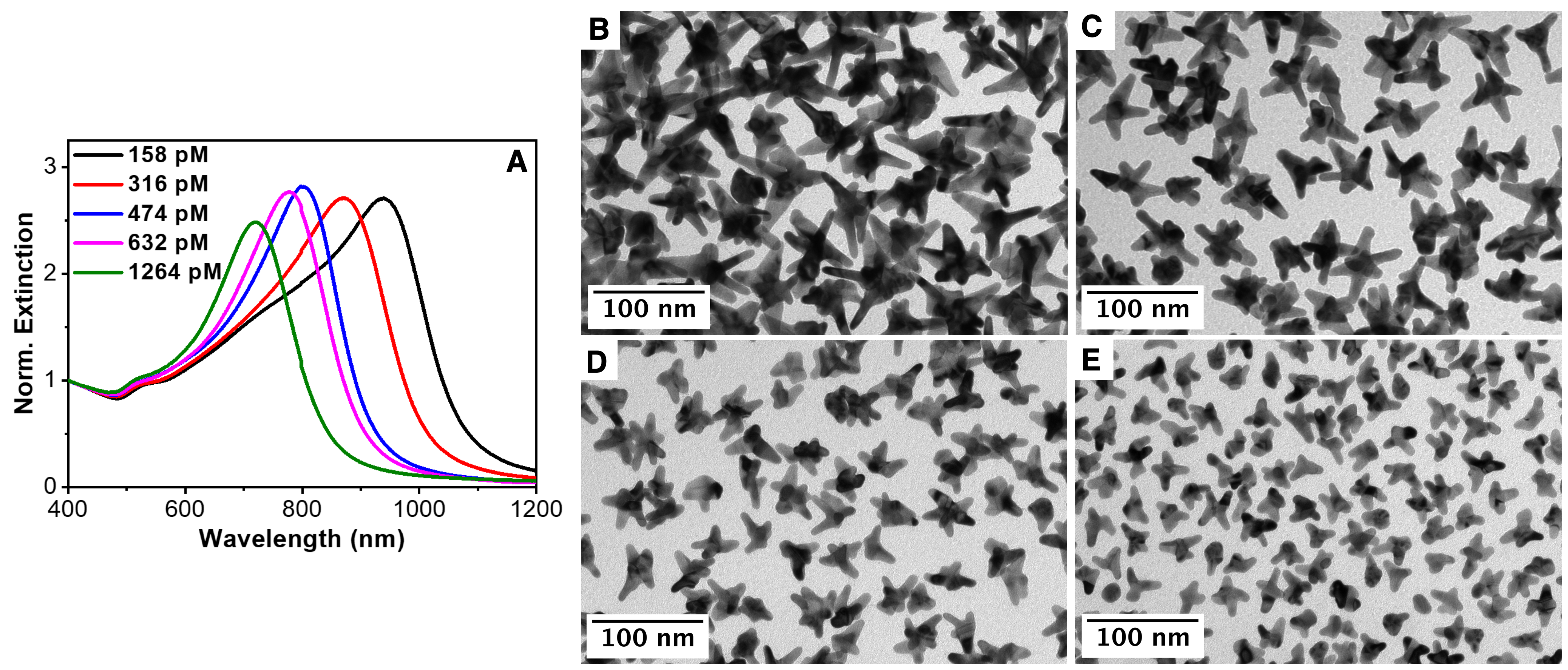
This study presents a seed-mediated synthesis of uniform gold nanostars with tunable optical properties using adenosine monophosphate (AMP) as a capping ligand, which provides stability, mediates anisotropic growth, and enhances catalytic activity, with the nanostars also demonstrating high thermal stability and compatibility for direct silica coating. Journal of Materials Chemistry C, 2023, 11, 12626.
See more at: https://doi.org/10.1039/D3TC01567J
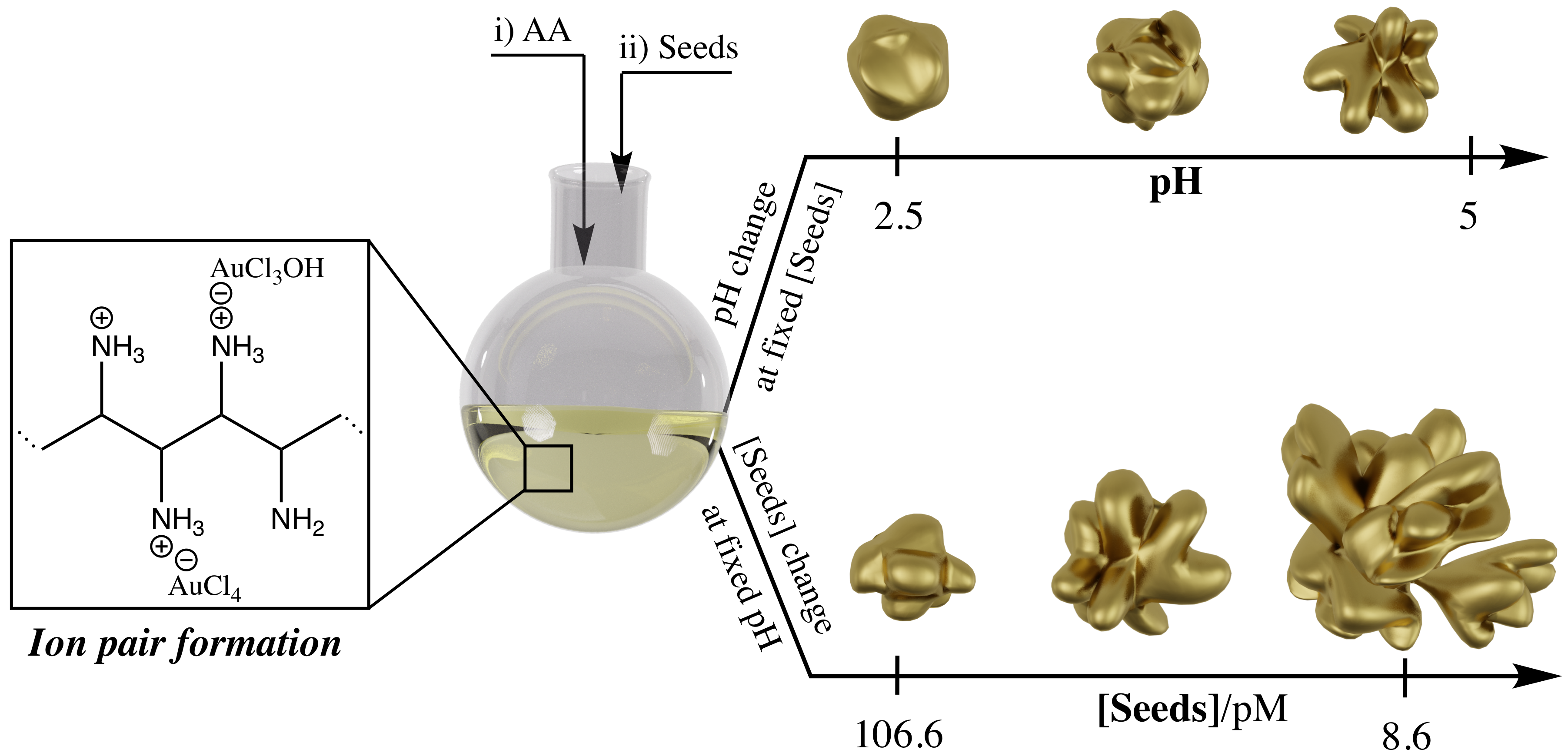
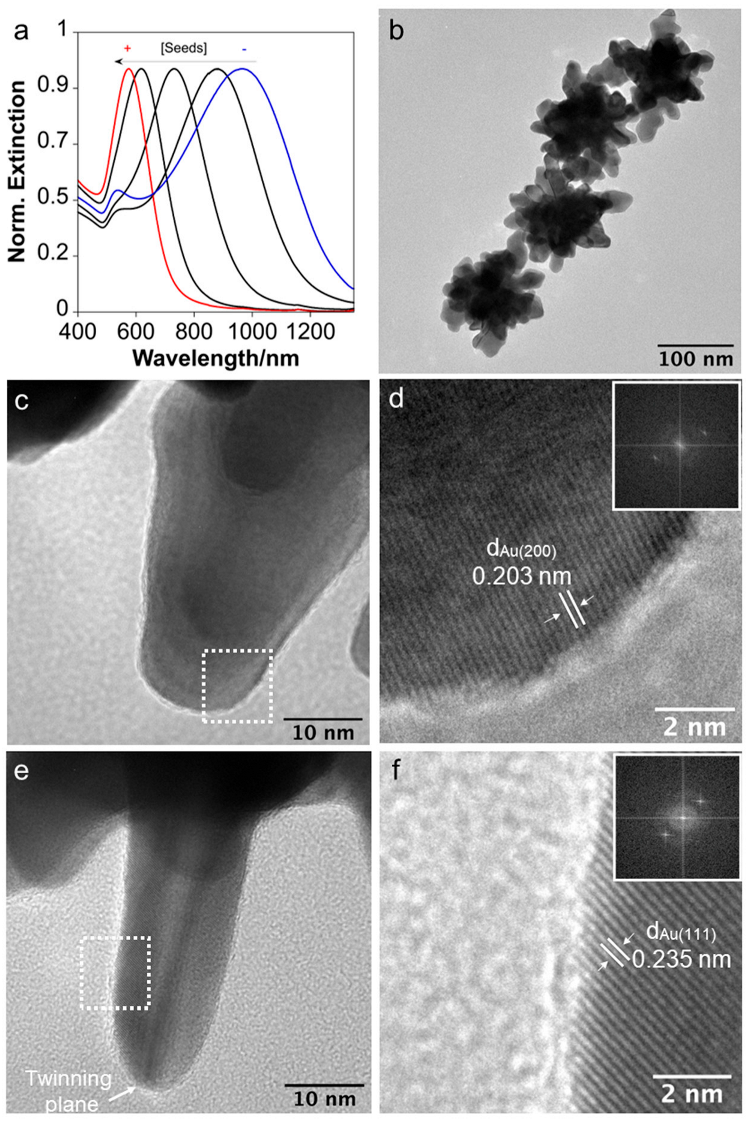
Polyallylamine assisted synthesis of 3D branched AuNPs with plasmon tunability in the vis-NIR region as refractive index sensitivity probes
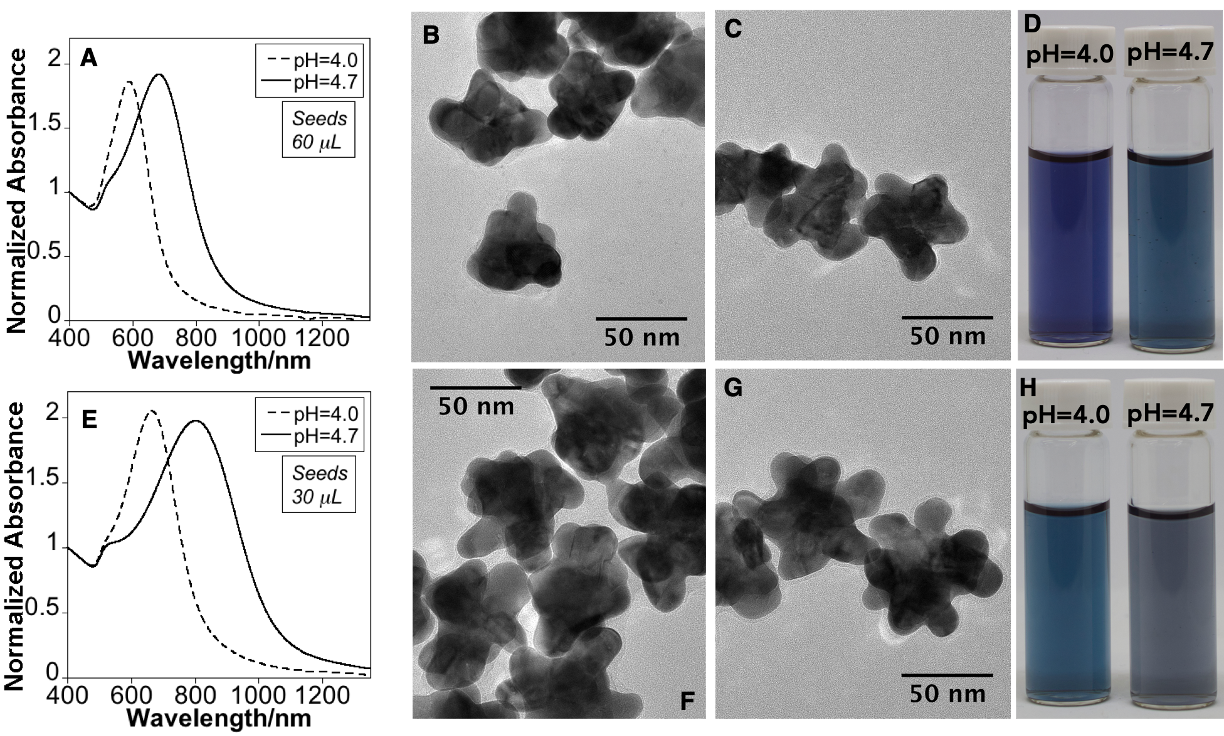
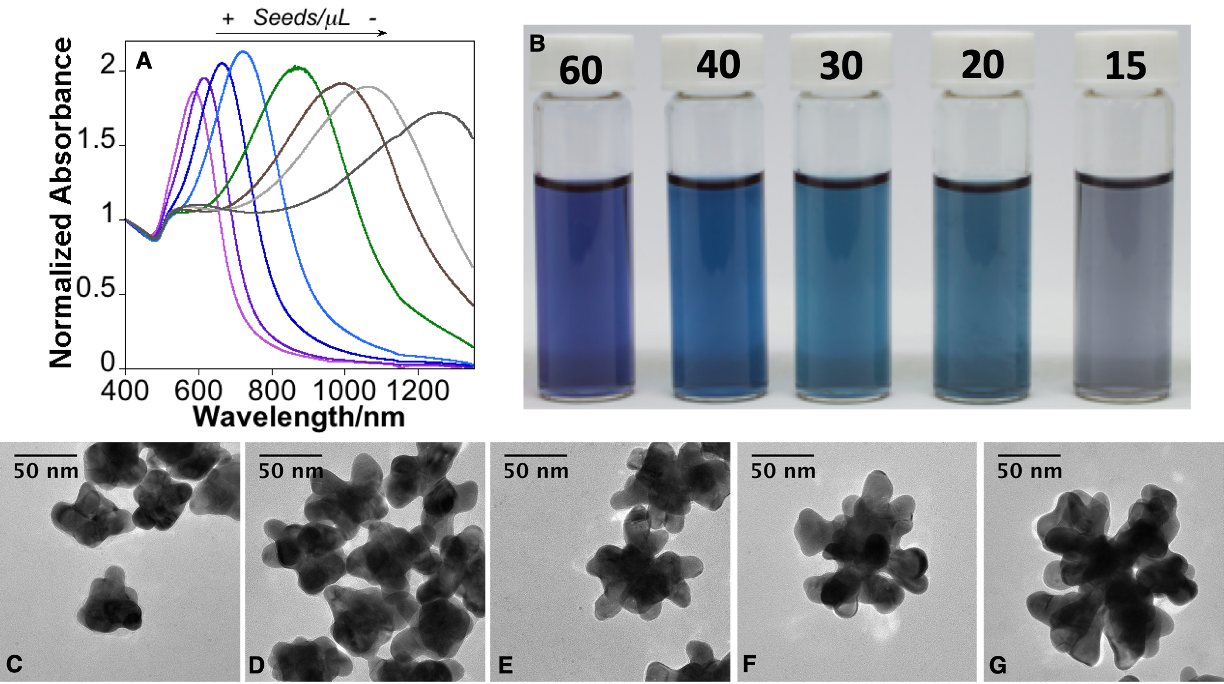
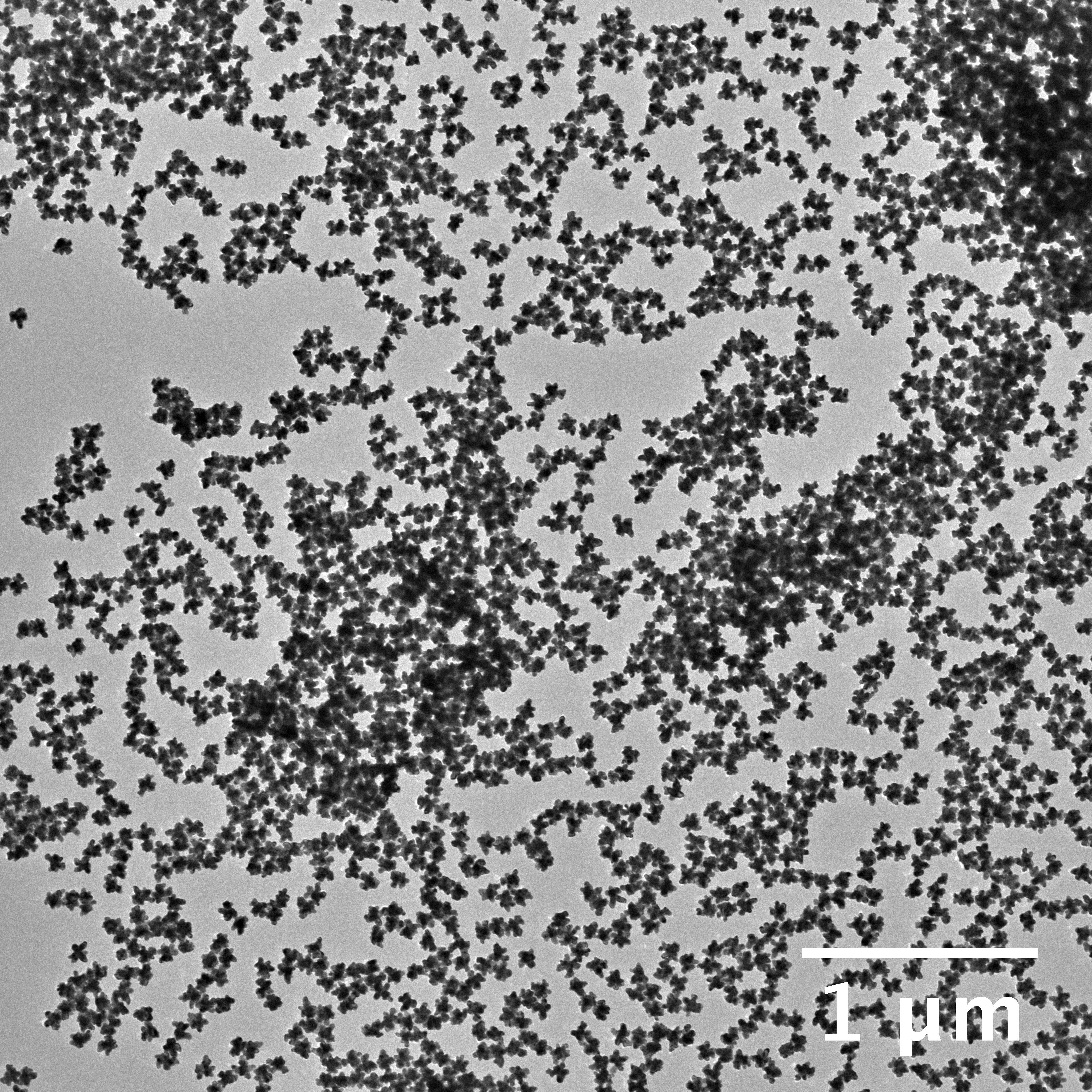
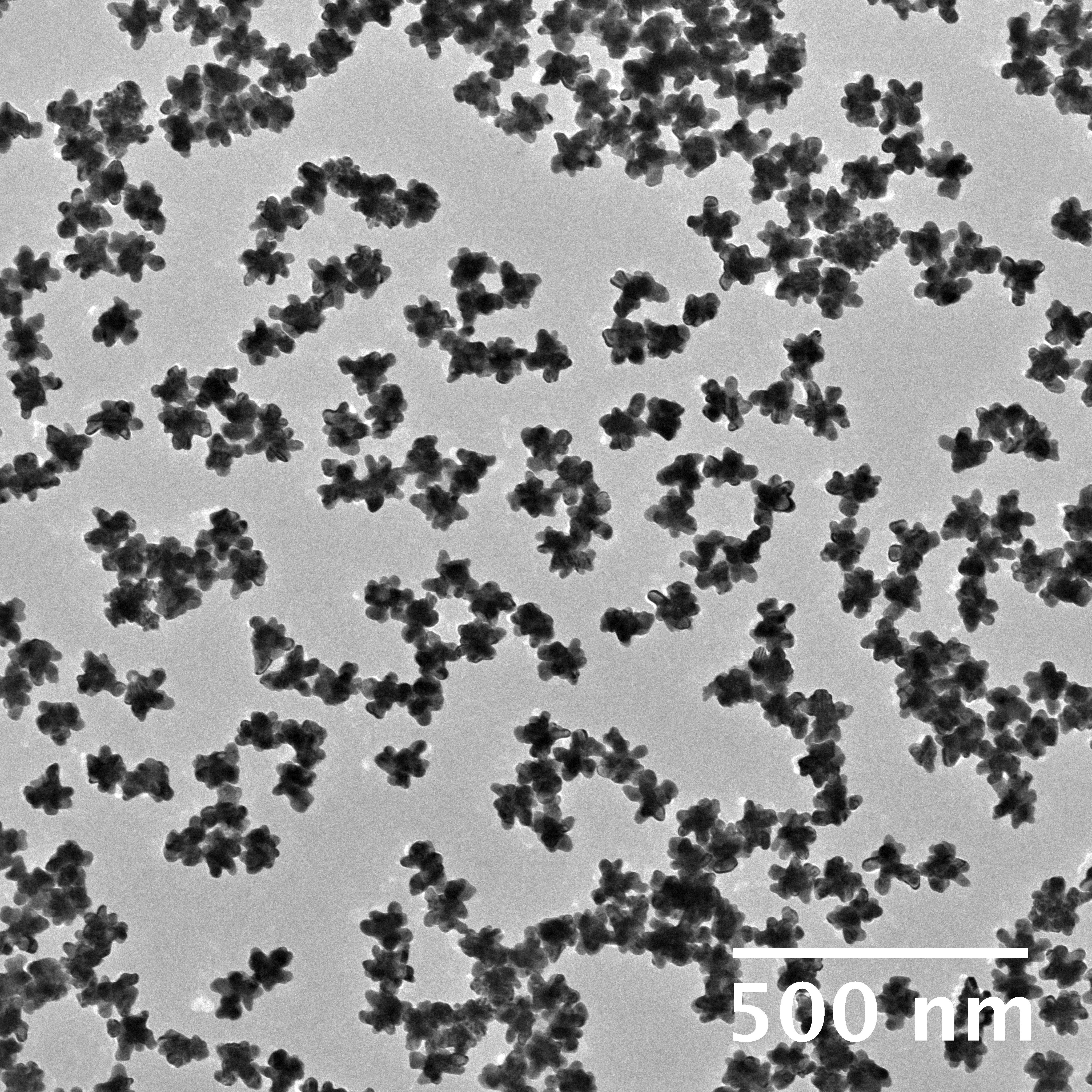
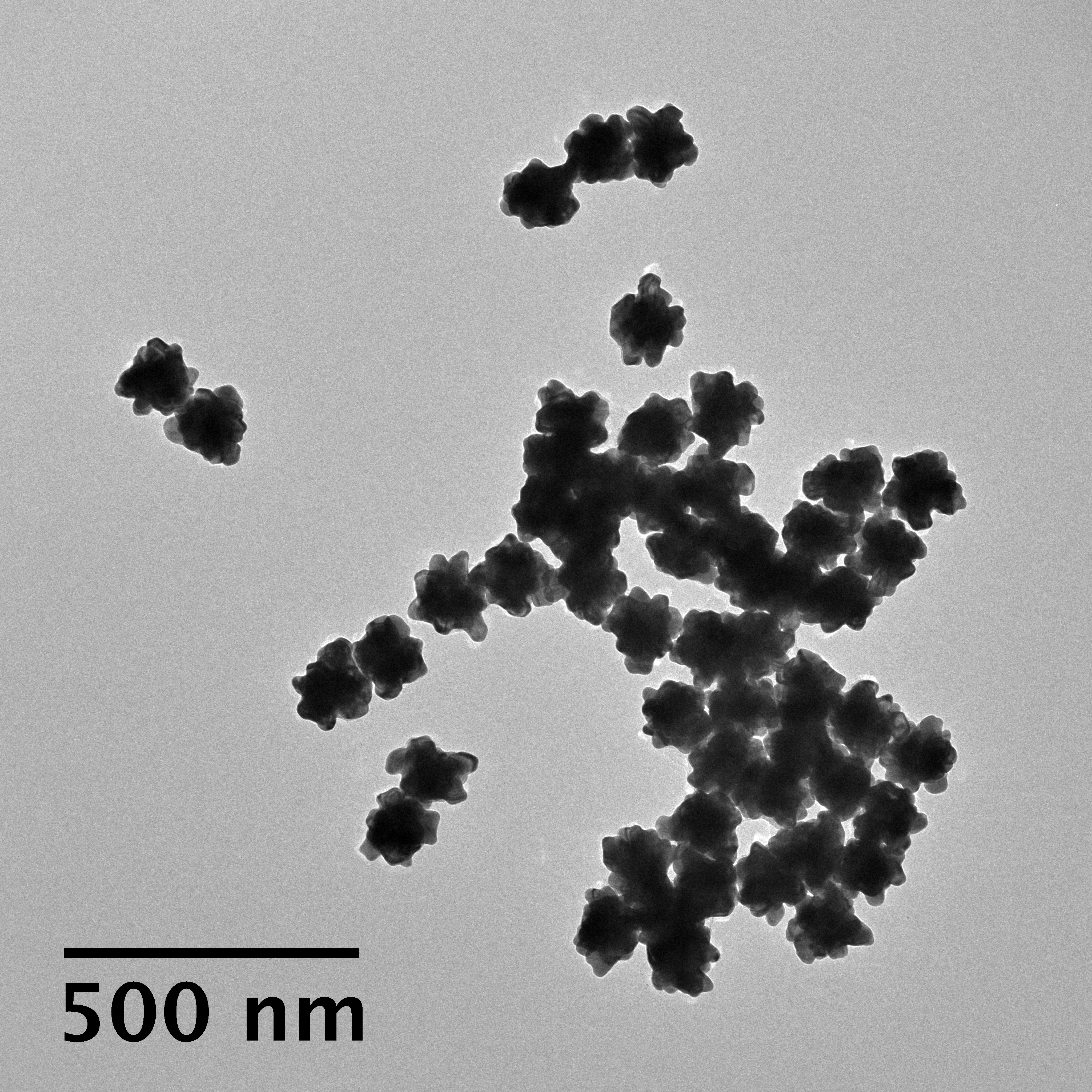
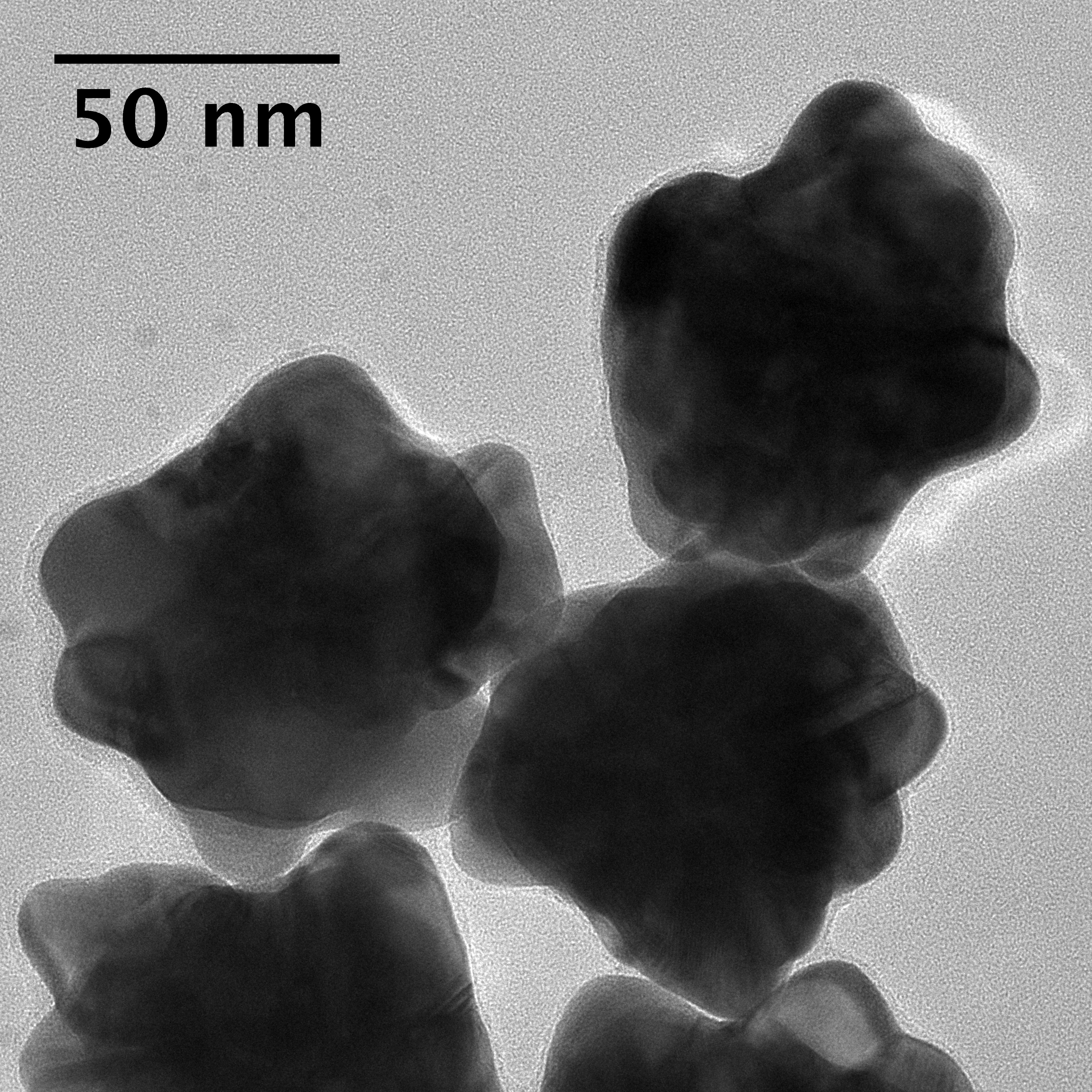
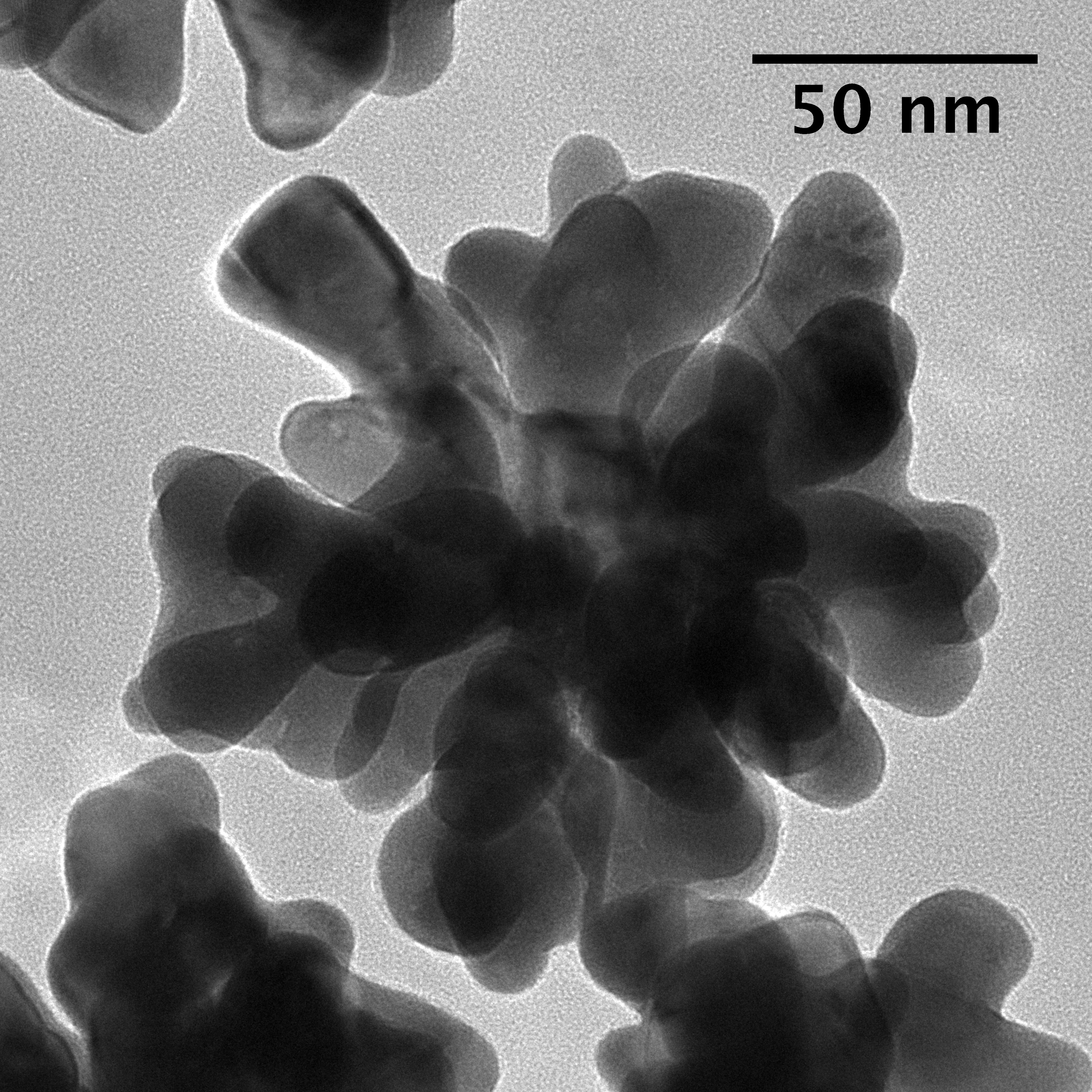
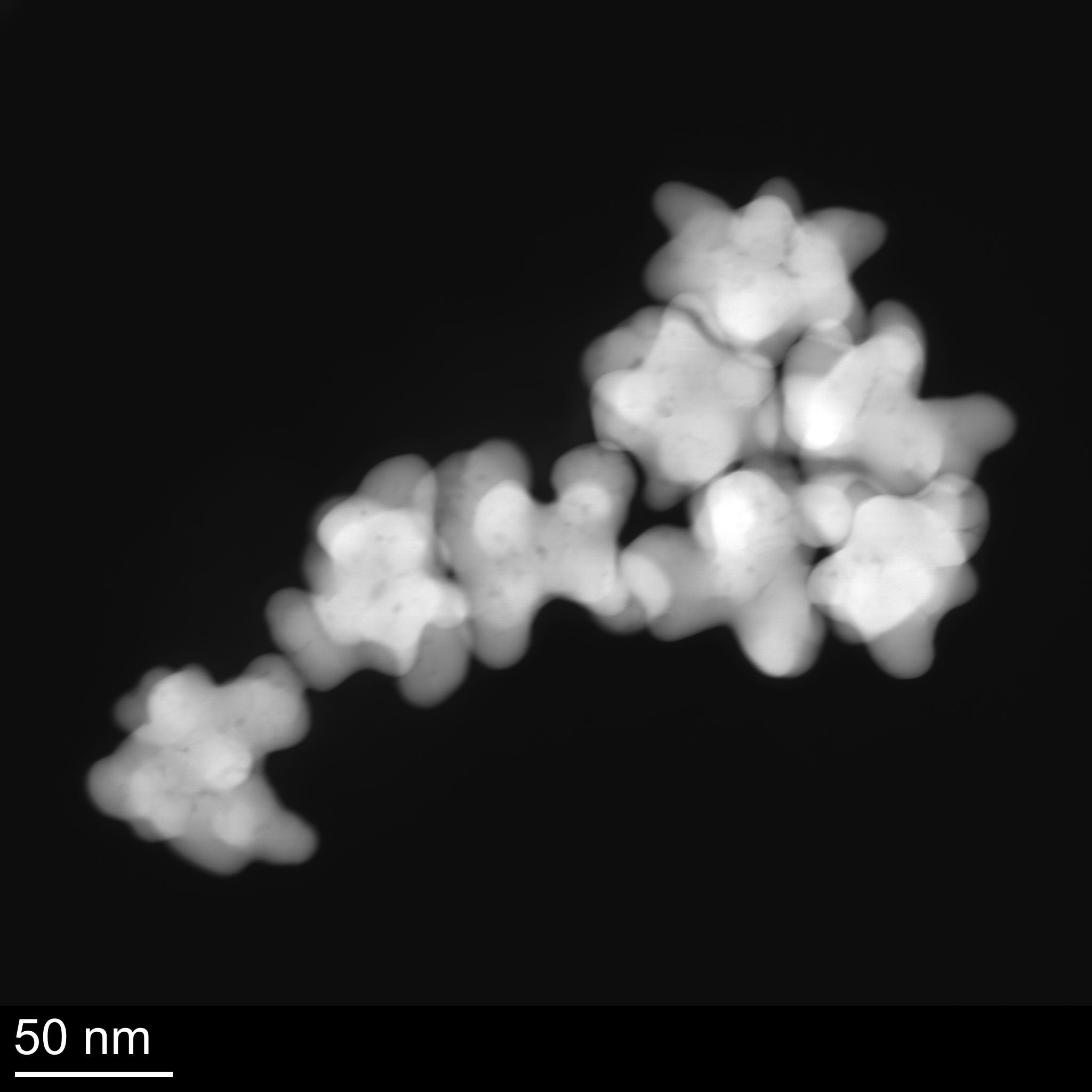
This paper describes the synthesis of highly branched gold nanoparticles (AuNPs) through a facile seeded growth approach using poly(allylamine hydrochloride) (PAH) as shape inducing agent. The obtained branched AuNPs present highly tunable optical properties in the Vis-NIR region from ca. 560 nm to 1260 nm. We controlled the morphology, and therefore the optical response, of the NPs by either changing the gold salt to seeds ratio or by fine-tuning the solution pH. The refractive index sensitivity estimated by the inflection point of the Localized Surface Plasmon Resonance (LSPR) band can be controlled by tuning the nanoparticle branching. Furthermore, the versatility of the PAH chemistry allowed the easy functionalization of the synthesized NPs. Journal of Colloid and Interface Science, 2022, 611, 695
See more at: https://doi.org/10.1016/j.jcis.2021.12.047
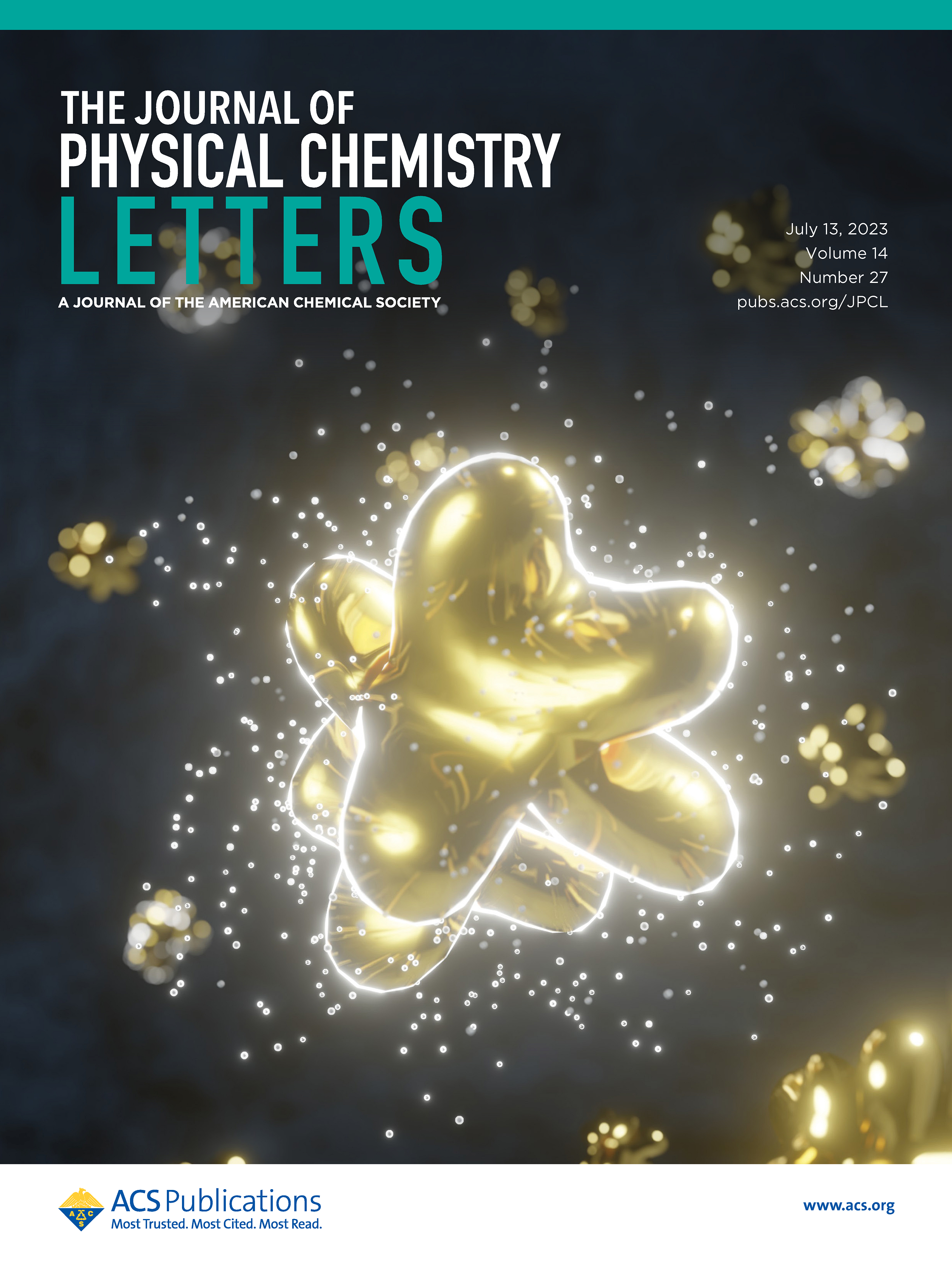

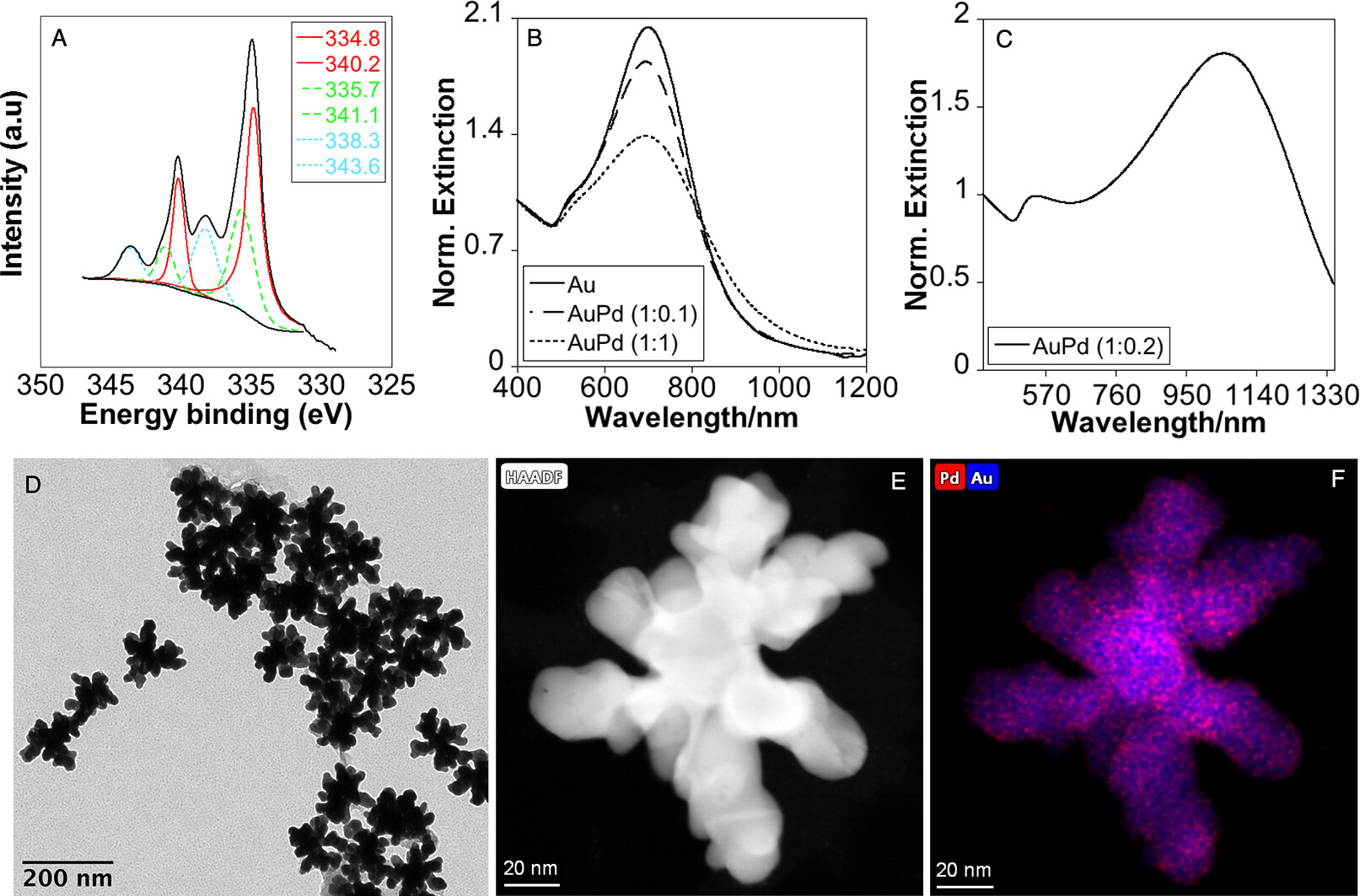
Synthesis and Structural Characterization of Branched Bimetallic AuPd Nanoparticles with a Highly Tunable Optical Response
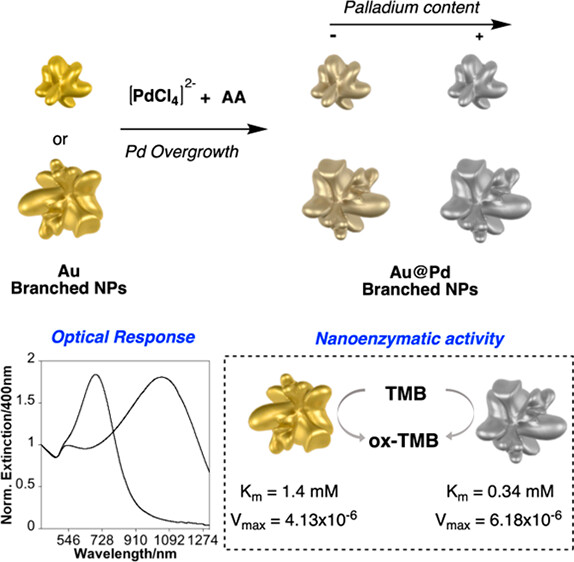
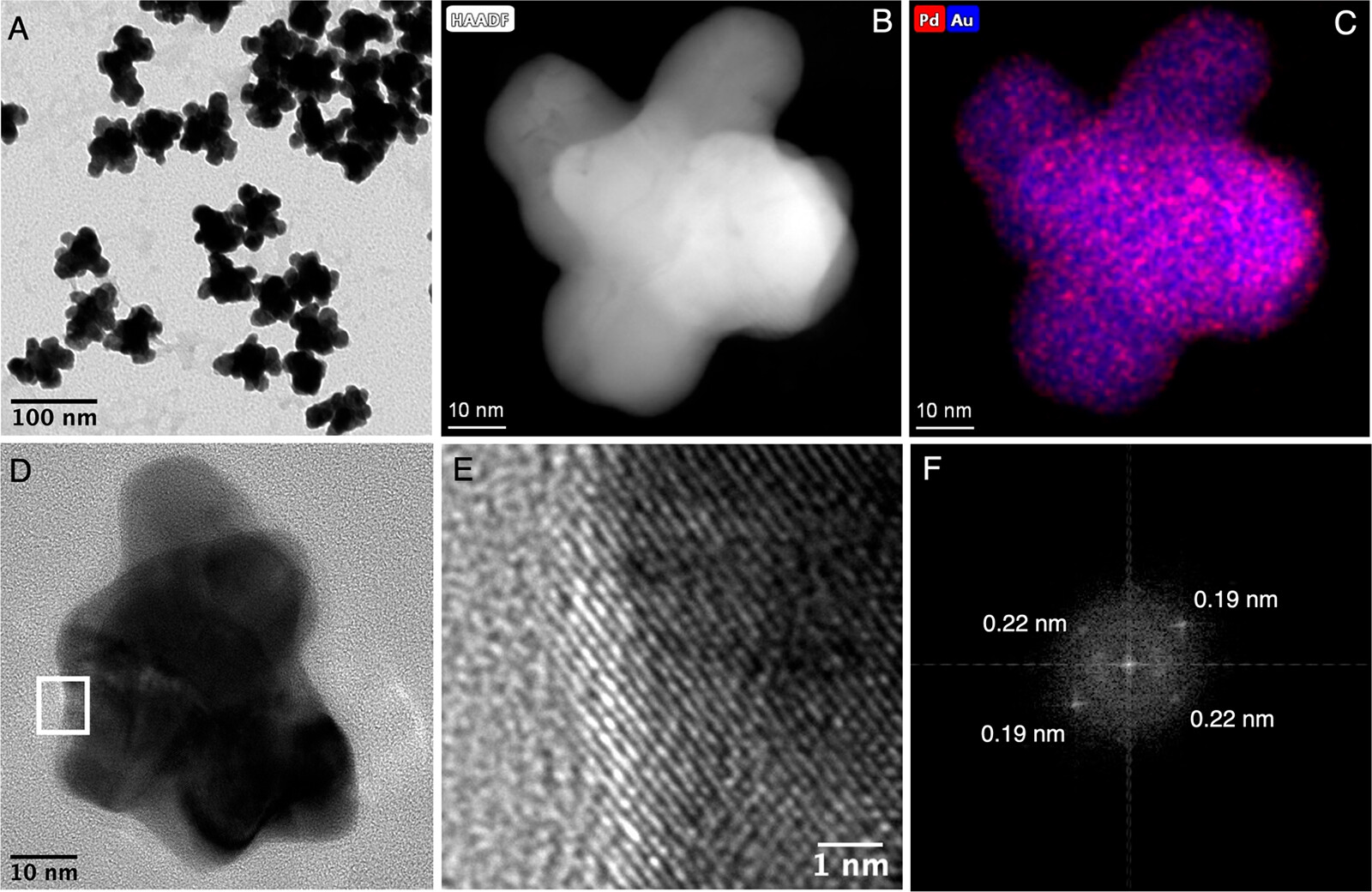
Bimetallic nanostructures made of gold (Au) and palladium (Pd) are increasingly studied for their use in heterogeneous catalysis. This work presents a straightforward method to produce Au@Pd bimetallic branched nanoparticles (NPs) with tunable optical properties. The method involves using polyallylamine-stabilized branched AuNPs as templates for Pd overgrowth. The palladium content and the thickness of the Pd shell (up to ~2 nm) can be controlled by adjusting the concentrations of PdCl₄²⁻ and ascorbic acid (AA). Pd can be uniformly distributed on Au NPs of different sizes and branching, allowing the tuning of plasmonic responses in the near-infrared (NIR) range. As a proof of concept, the peroxidase-like catalytic activity of pure gold and AuPd NPs was compared using 3,3′,5,5′-tetramethylbenzidine (TMB) oxidation. The AuPd NPs showed enhanced catalytic properties due to the presence of Pd on the Au surface. Journal of Physical Chemistry Letters, 2023, 14, 6315.
See more at: https://doi.org/10.1021/acs.jpclett.3c01431
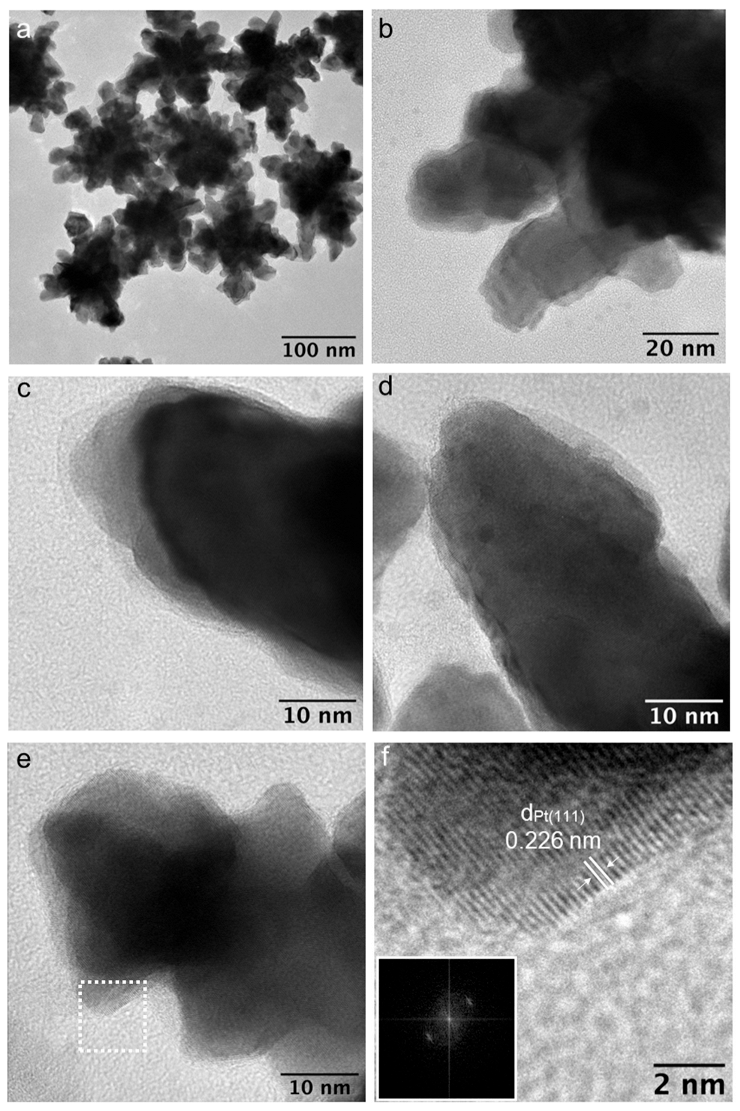

Synthesis, Structural Analysis, and Peroxidase-Mimicking Activity of AuPt Branched Nanoparticles
Bimetallic nanomaterials are of great interest due to their unique, tunable properties. This study introduces a method for synthesizing branched gold–platinum nanoparticles using poly(allylamine hydrochloride)-stabilized gold nanoparticles as templates for platinum deposition. The process, conducted at ambient temperature, allows precise control over nanoparticle size, LSPR band, and branching without high temperatures or organic solvents. The resulting AuPt nanoparticles exhibit enhanced optical and catalytic properties. Compared to gold nanoparticles, AuPt nanoparticles showed significantly improved peroxidase-like activity, demonstrating their potential for catalytic applications. Nanomaterials, 2024, 14(13), 1166.
See more at: https://doi.org/10.3390/nano14131166
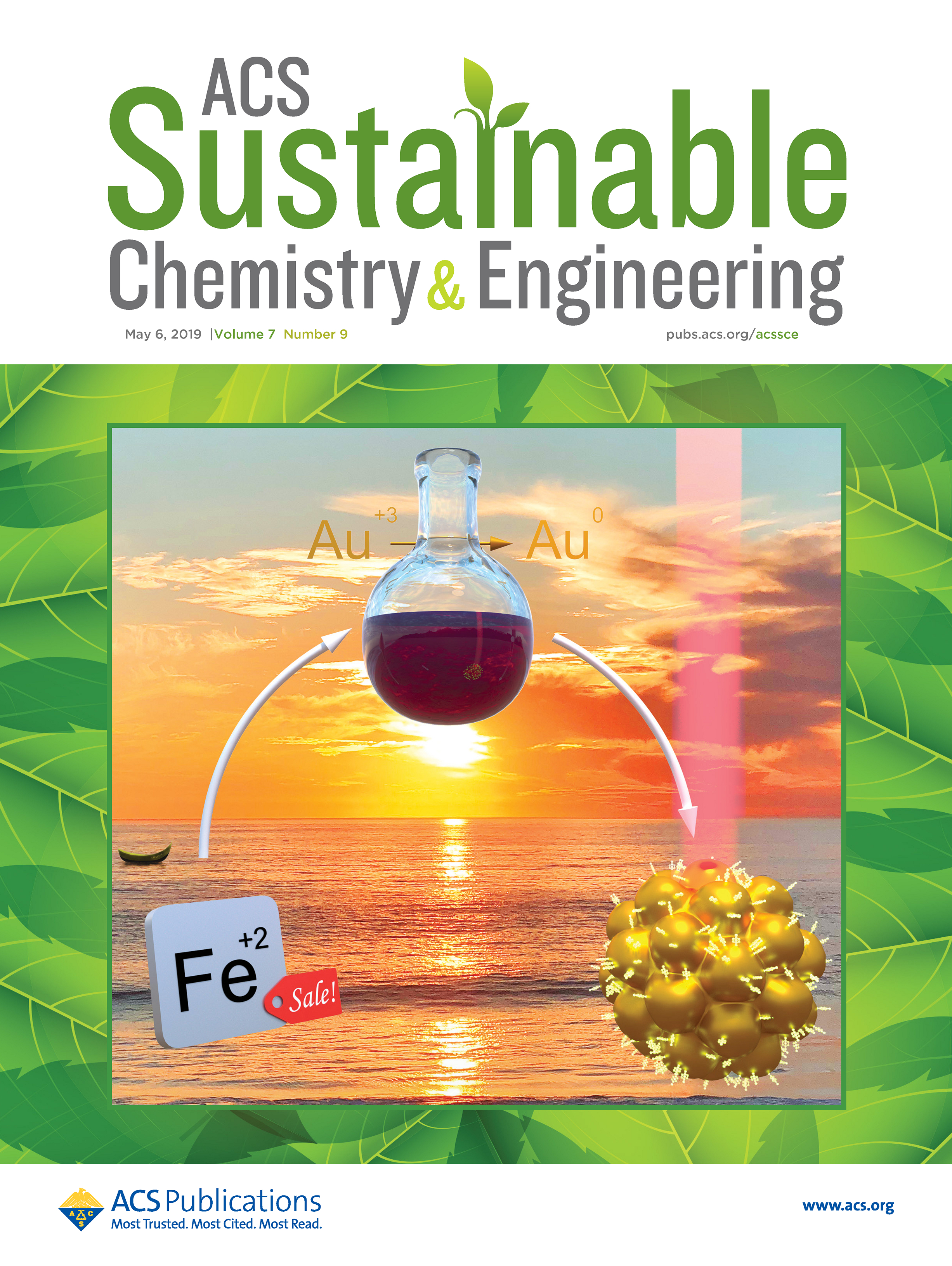
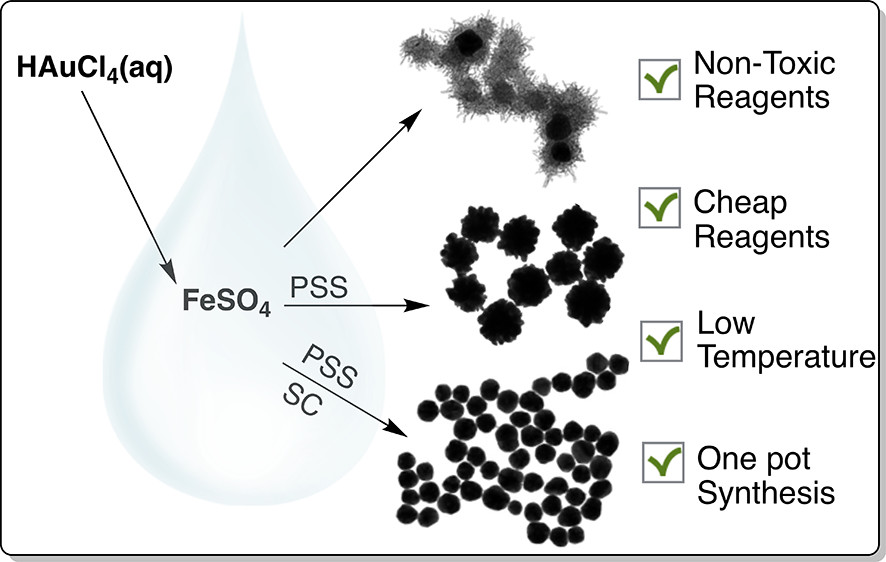
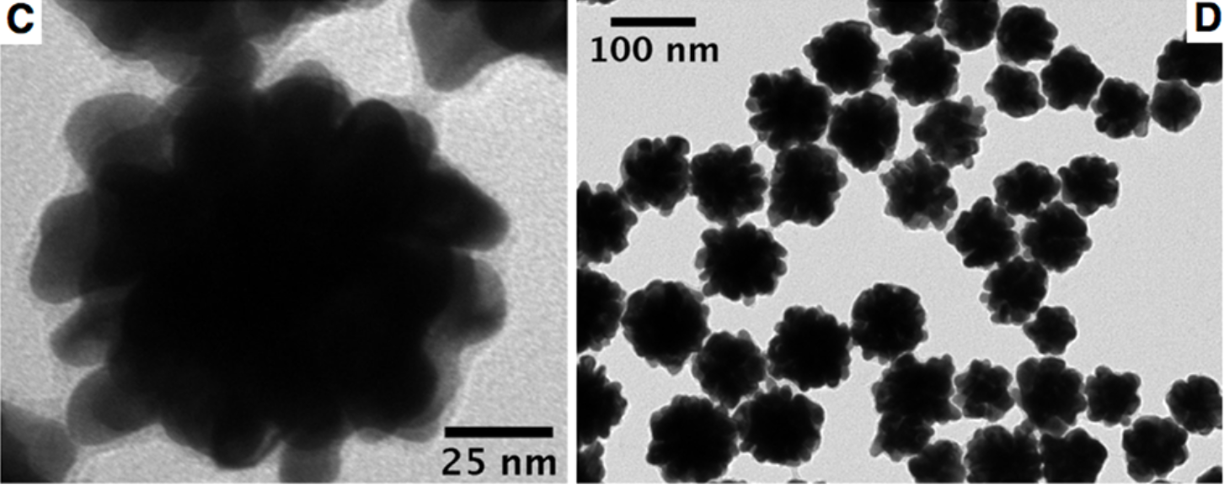
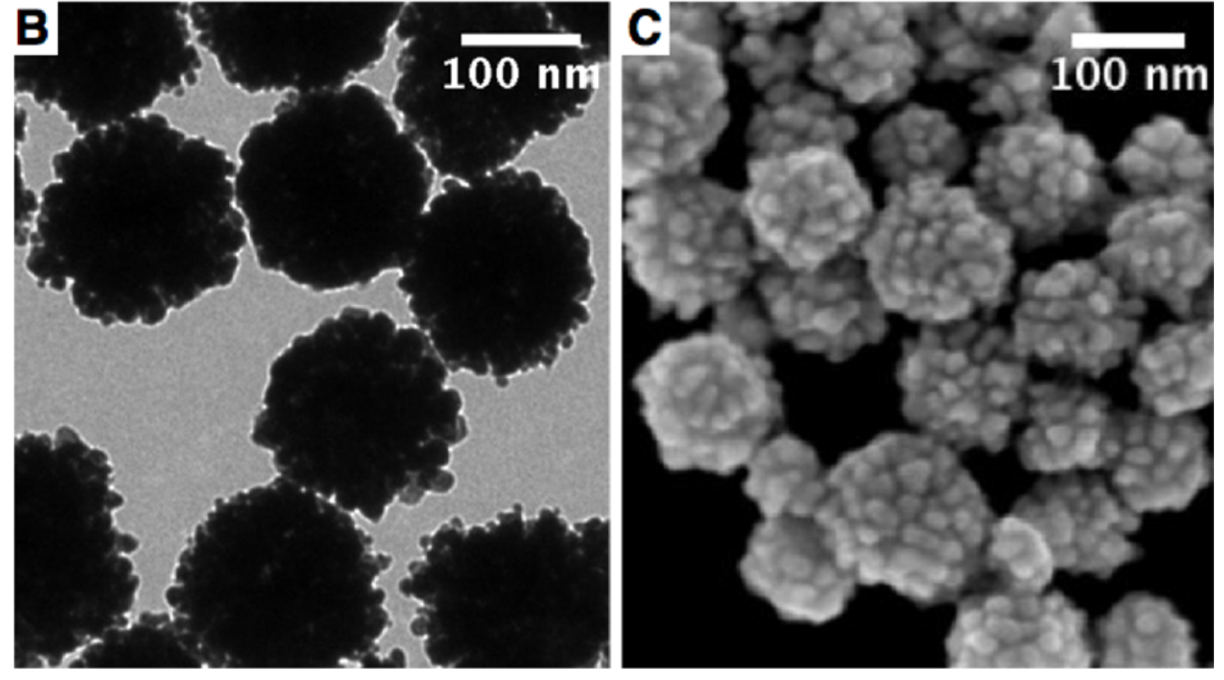

Iron(II) as a Green Reducing Agent in Gold Nanoparticle Synthesis
Iron, the most abundant element on Earth, is inexpensive and widely used, yet its role as a reducing agent for synthesizing plasmonic nanoparticles is underexplored. This study examines iron(II) sulfate as a green reductant for synthesizing gold nanoparticles (AuNPs) with or without different molecules. Without additives, iron(II) can reduce Au(III) to form AuNPs, but the yield is not 100%, and the nanoparticles are coated with an Fe(II)/Fe(III) oxo/hydroxo sulfate shell. The addition of polystyrenesulfonate (PSS) prevents shell growth, leading to complete Au salt reduction and raspberry-like AuNPs. Complexing iron(II) with citrate changes the redox potential, producing uniform pseudospherical AuNPs with distinct optical properties. These green AuNPs have been evaluated for SERS applications using 4-nitrothiophenol (4-NTP) as a model analyte. ACS Sustainable Chemistry & Engineering Research, 2019, 7(9), 1083.
See more at: https://doi.org/10.1021/acssuschemeng.8b06690
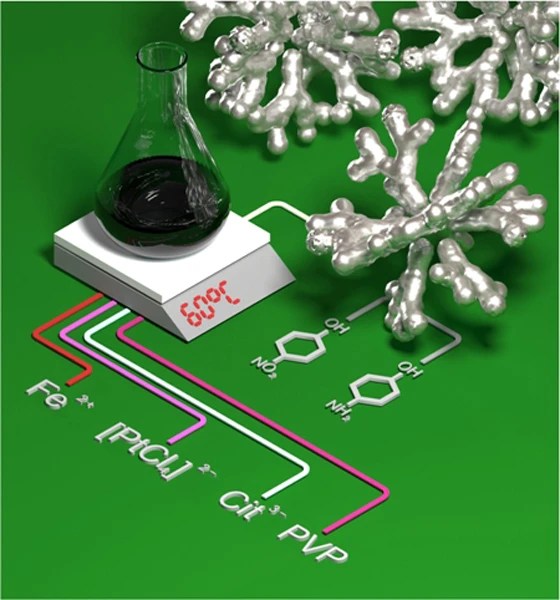

Highly accessible aqueous synthesis of well-dispersed dendrimer type platinum nanoparticles and their catalytic applications
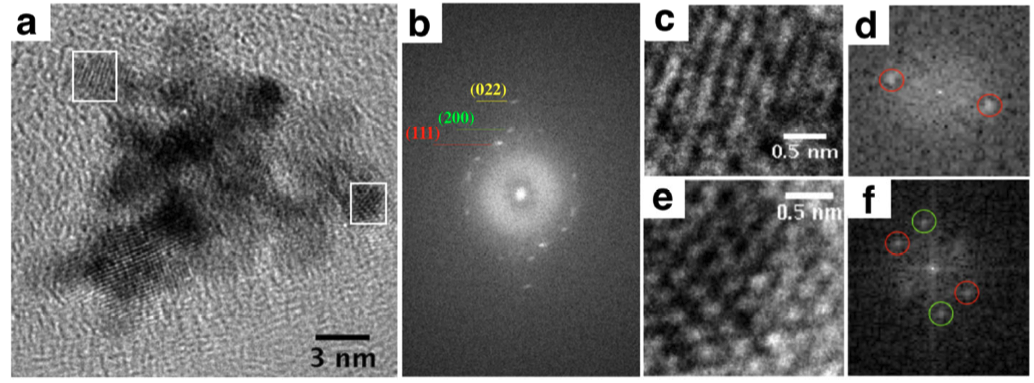
Developing new methods for synthesizing nanomaterials remains a challenge across many fields. Efficient, reproducible, and cost-effective methods are needed. This study explores using inexpensive iron (II) sulfate to reduce K₂PtCl₄ in water, assisted by sodium citrate and polyvinylpyrrolidone (PVP), to produce sub-20 nm dendrimer-type platinum nanoparticles (Pt D-NPs). These well-dispersed Pt D-NPs were characterized using various techniques, including TEM, XRD, and UV-vis spectroscopy. Their catalytic potential was demonstrated in the reduction of p-nitrophenol to p-aminophenol, achieving a TOF of 253 min⁻¹. Additionally, Pt D-NPs exhibited catechol oxidase activity in L-DOPA oxidation, indicating potential as artificial metalloenzymes. Nano Research, 2019, 12, 1083.
See more at: https://doi.org/10.1007/s12274-019-2350-7
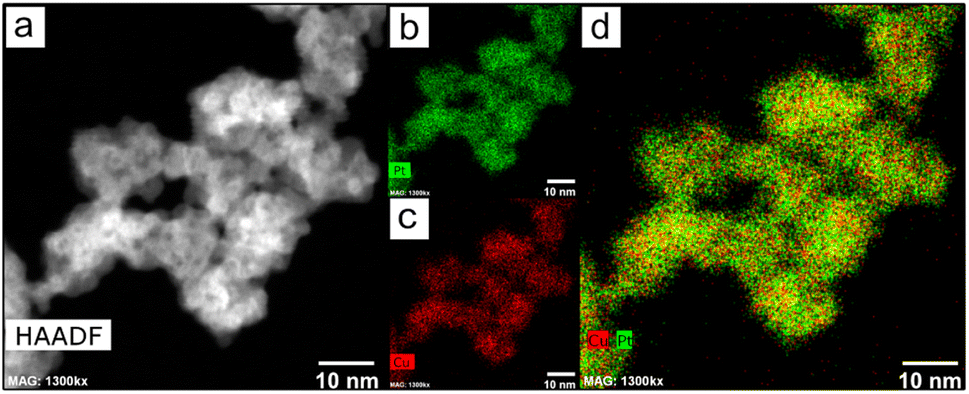
Copper(i) as a reducing agent for the synthesis of bimetallic PtCu catalytic nanoparticles
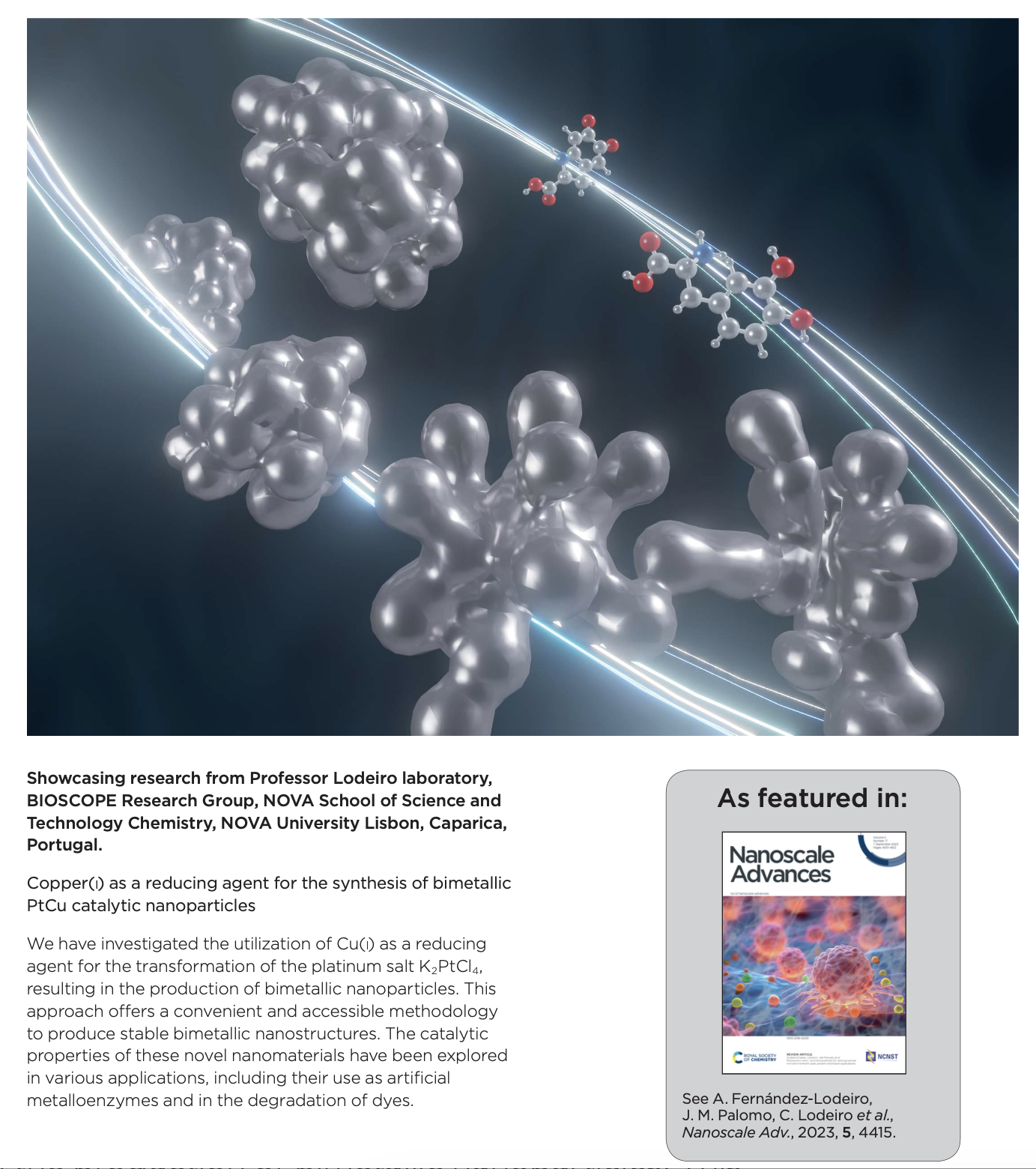
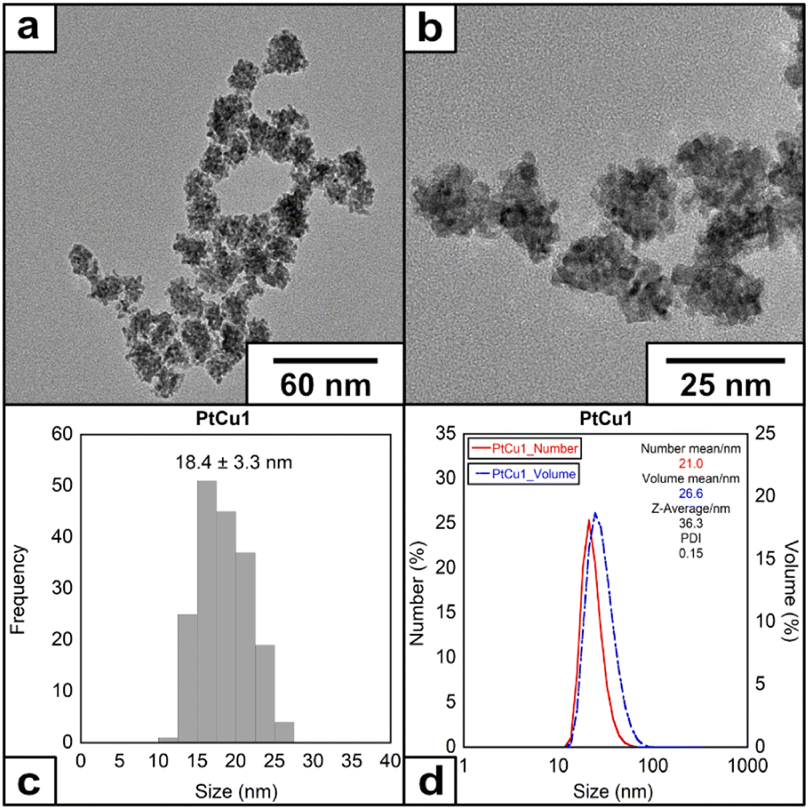
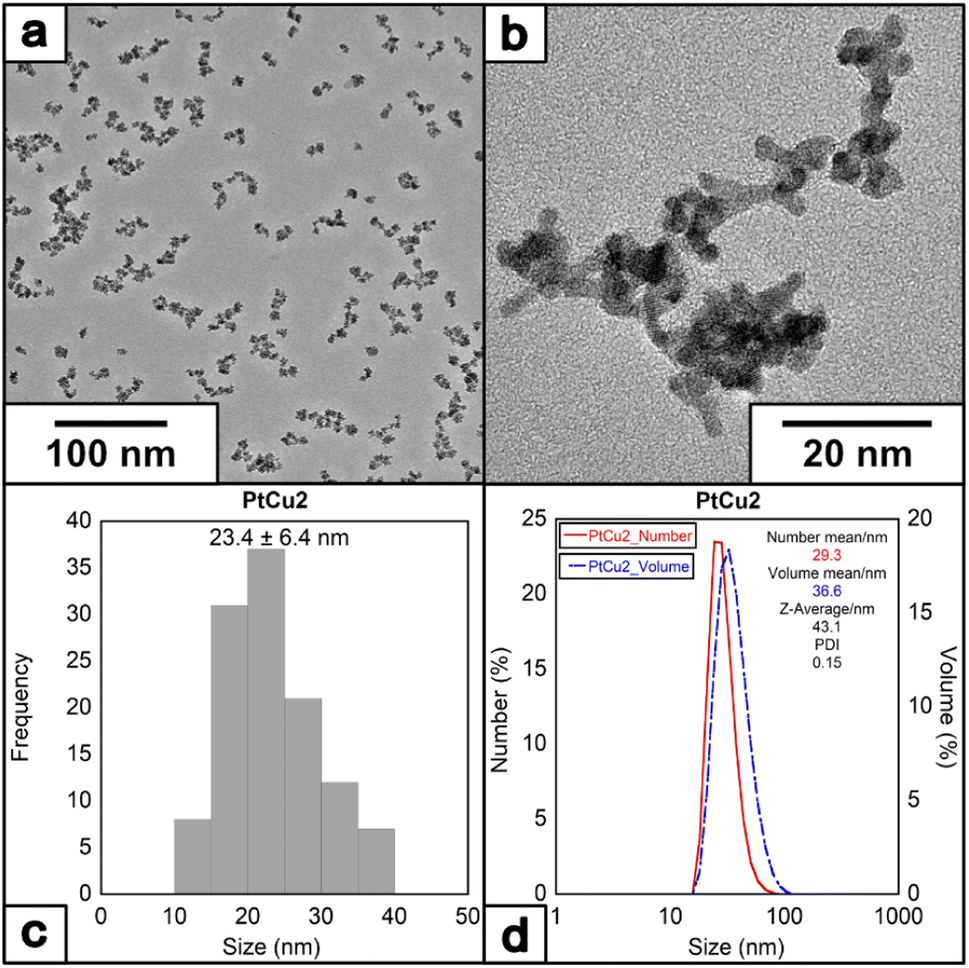
This work investigates the potential utilization of Cu(I) as a reducing agent for the transformation of the platinum salt K2PtCl4, resulting in the production of stable nanoparticles. The synthesized nanoparticles exhibit a bimetallic composition, incorporating copper within their final structure. This approach offers a convenient and accessible methodology for the production of bimetallic nanostructures. The catalytic properties of these novel nanomaterials have been explored in various applications, including their use as artificial metalloenzymes and in the degradation of dyes. The findings underscore the significant potential of Cu(I)-mediated reduction in the development of functional nanomaterials with diverse catalytic applications. Nanoscale Adv., 2023,5, 4415-4423.
See more at: https://doi.org/10.1039/D3NA00158J
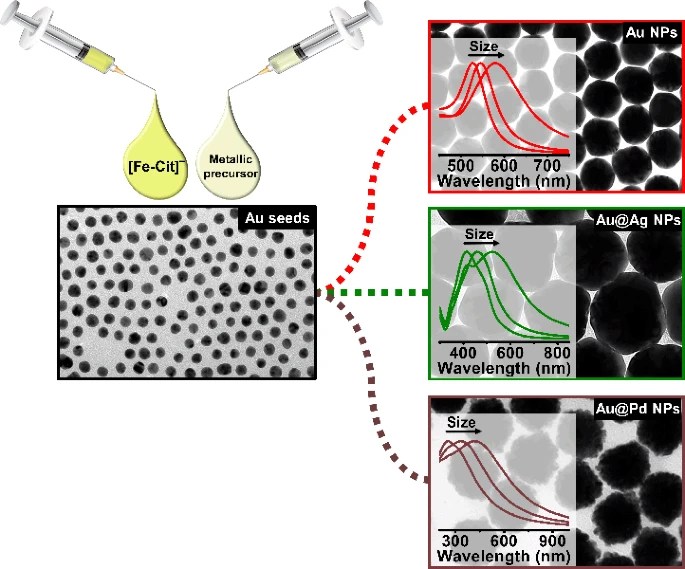
The versatility of Fe(II) in the synthesis of uniform citrate-stabilized plasmonic nanoparticles with tunable size at room temperature
A highly versatile seed-mediated approach for the synthesis of citrate-stabilized gold, silver and palladium nanoparticles (NPs) with size control is reported. The use of iron(II) as a reducing agent enables the fabrication of monodisperse NPs in a wide range of sizes (from 15 nm to at least 120 nm (90 nm for Pd)) at room temperature. The citrate as capping ligand on the NPs surface facilitates its further surface modification with proteins and thiolated molecules. Nano Research, 2020, 13, 2351
See more at: https://doi.org/10.1007/s12274-020-2854-1
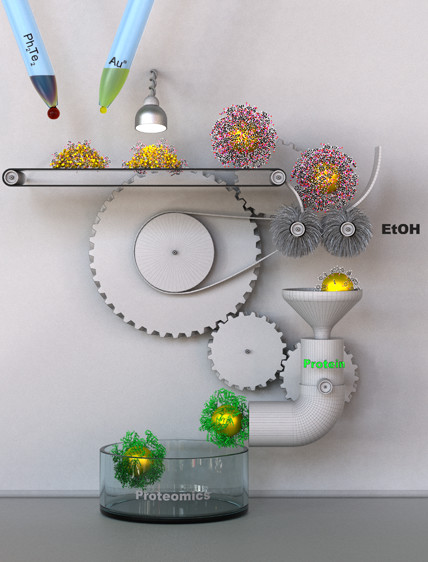
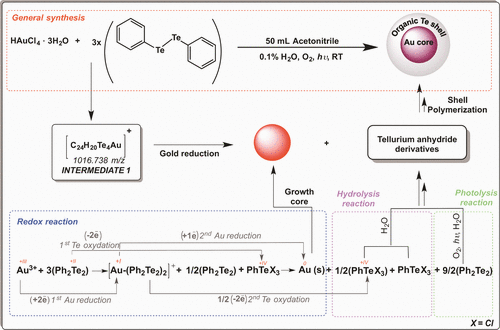
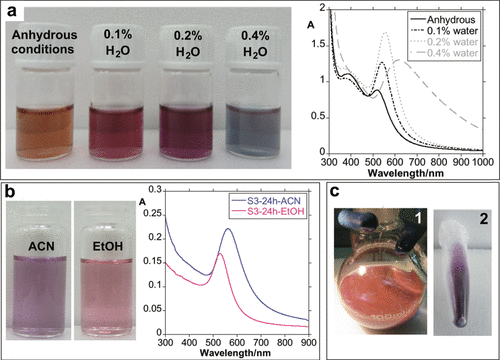

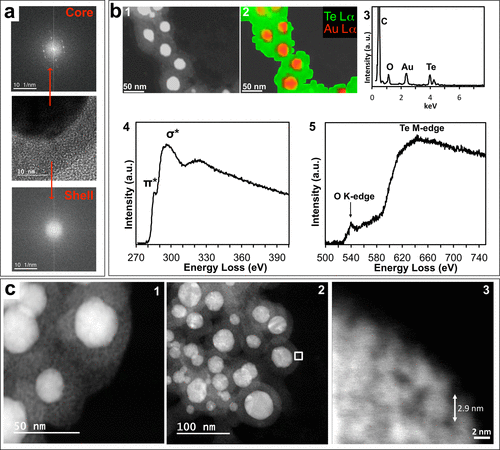
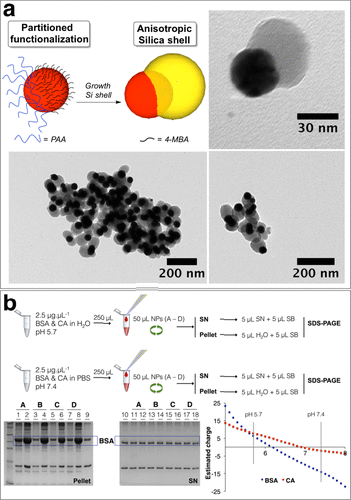
Unraveling the Organotellurium Chemistry Applied to the Synthesis of Gold Nanomaterials
Preserving gold nanoparticles’ properties in solution and as dry powder is challenging. This study addresses this by using organotellurium derivatives, specifically diphenyl ditelluride (Ph2Te2), as reducing agents and stabilizers in a novel one-step synthesis. The process yields Au/Te core/shell hybrid nanoparticles with tunable shell thicknesses that affect the gold core’s resonance properties. The tellurium shell can be removed with water or ethanol, exposing the gold core for further use. A formation mechanism for these core/shell nanoparticles is proposed. ACS Omega, 2016, 1(6), 1314.
See more at: https://doi.org/10.1021/acsomega.6b00309
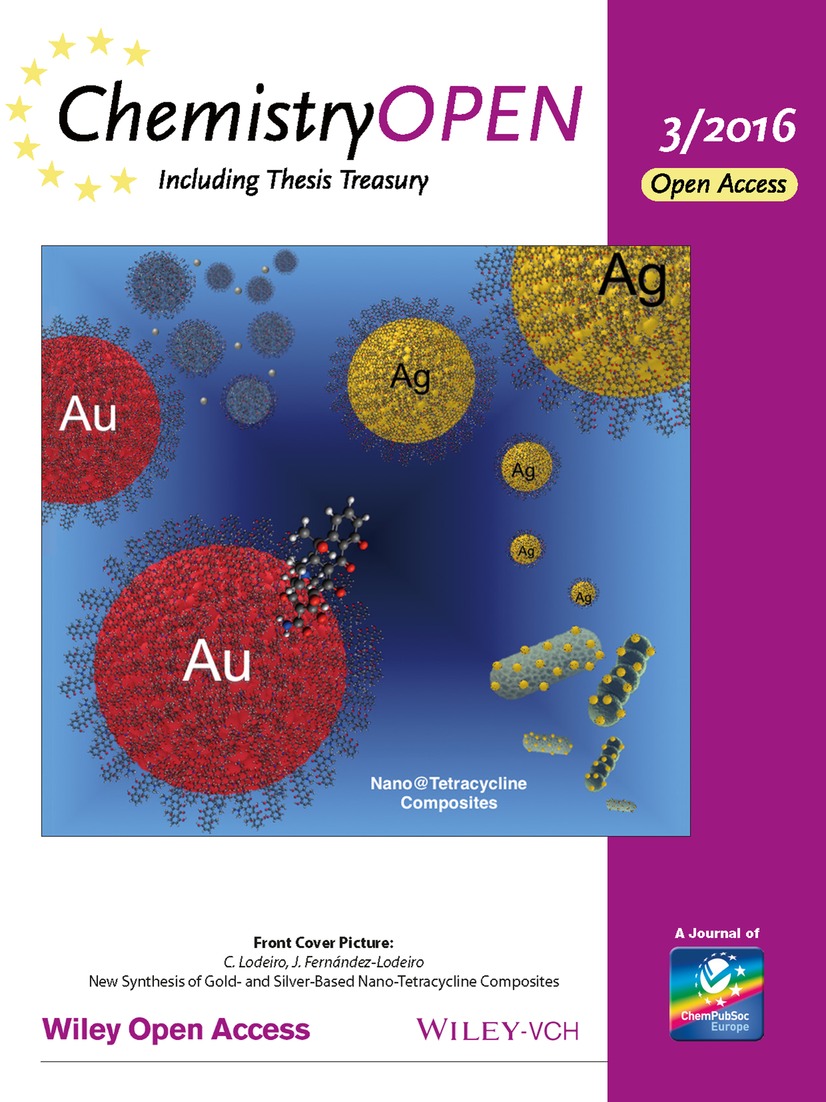

New Synthesis of Gold- and Silver-Based Nano-Tetracycline Composites
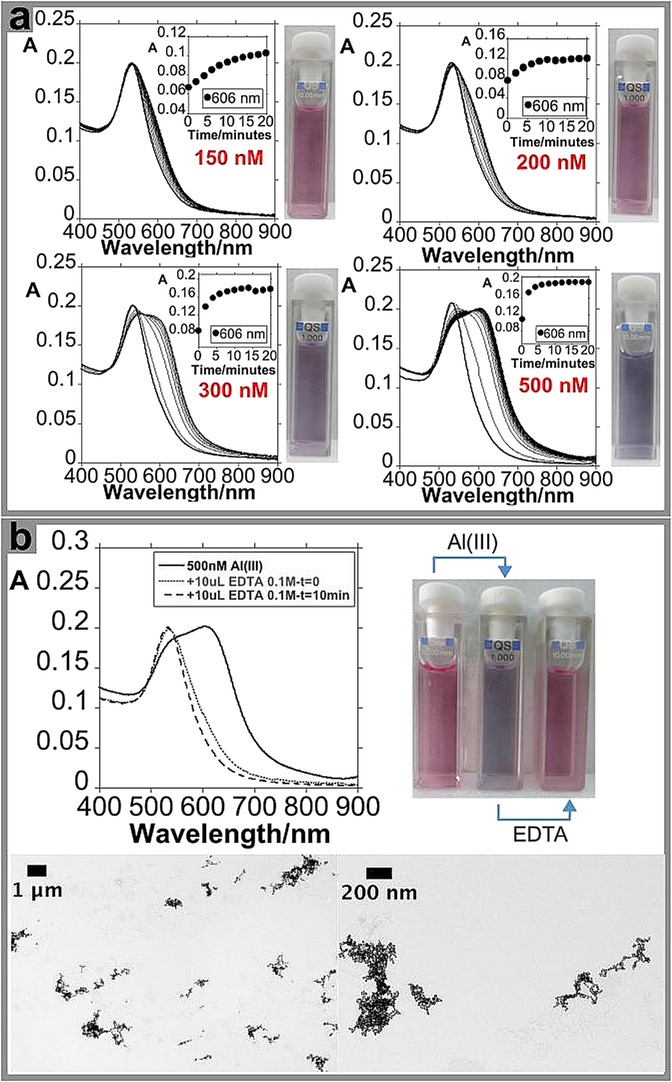
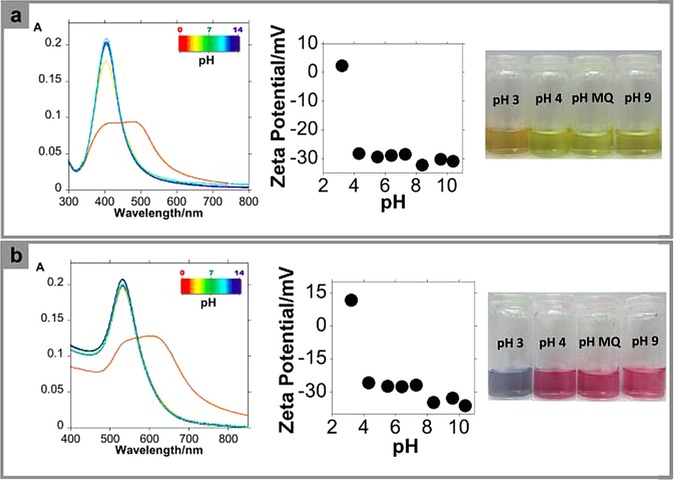
A new synthetic methodology of water-soluble gold and silver nanoparticles (AuNPs@TC and AgNPs@TC), using the antibiotic tetracycline (TC) as co-reducing and stabilizing agent, is reported. Both colloids exhibit high water stability. The average sizes obtained were 25±10 and 15±5 nm, respectively. Both composites were tested against TC-resistant bacteria, presenting an increasing antibacterial effect in the case of AgNPs@TC. The sensing towards metal ions was also explored. An interesting and reversible affinity of AuNPs@TC towards AlIII cations in an aqueous system was also observed. Chemistry Open, 2016, 5(3), 206.
See more at: https://doi.org/10.1002/open.201600016
 NanoExplorer - Discovering a Diminute World